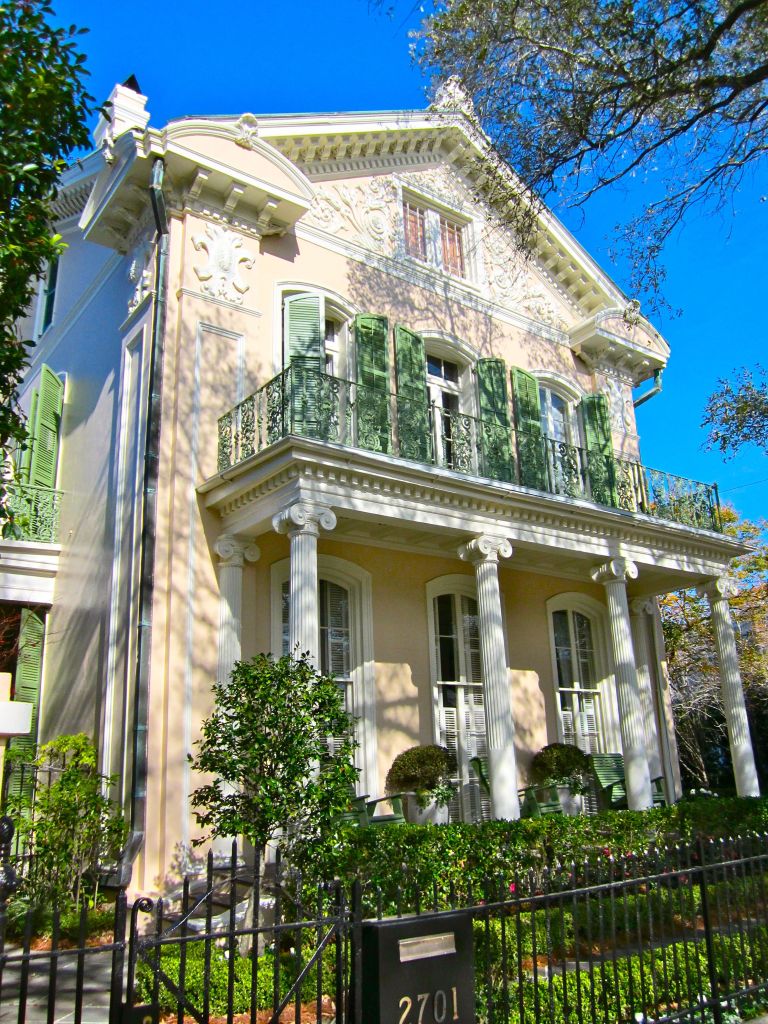
It was the early 19th century and New Orleans was about to be invaded. President Thomas Jefferson had just scored big at the Napoleonic fire sale and signed the agreement for the Louisiana Purchase. Viewed as one of the best real estate deals of all time, it effectively doubled the size of the United States at a cost of five cents per acre. This legal land grab opened the floodgates to Americans flocking to this Mississippi River city for a new home and their piece of the economic pie.
As you can imagine, this invasion didn’t sit well with the entrenched French, Spanish, and African Creole citizens. Deep-seated resentment flared as these long-term Creole residents vowed to protect their ancestral homes and culture from the perceived intrusion of late-to-the-party strangers. As retribution, they wouldn’t allow Americans to live in the French Quarter. Out of this conflict a lush residential area was developed upriver, and the Garden District was born.
THE GARDEN DISTRICT
From an architectural standpoint, the French Quarter and Garden District looked like totally different cities, and in fact, they were. The Garden District was part of the city of Lafayette, until it was incorporated into New Orleans in 1852.
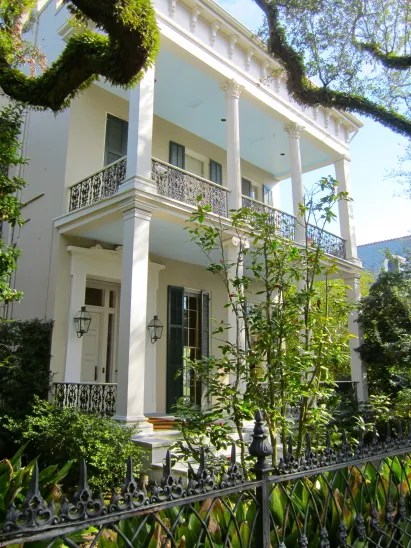
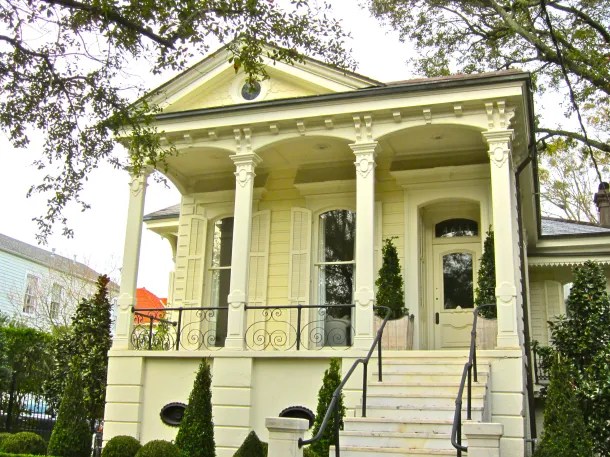
For the emigrant Americans the Garden District was essentially a clean slate. With a free hand they imported popular new architectural styles, and built the type of homes they preferred. Greek Revival was trendy, and in a nod to the climate the raised cottage was also in vogue. Grand entrances were also all the rage.
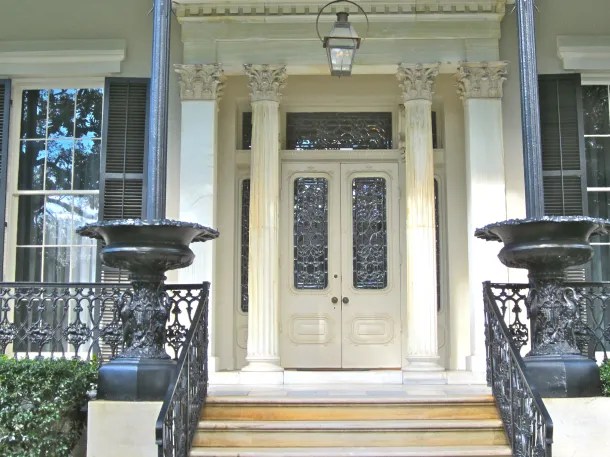
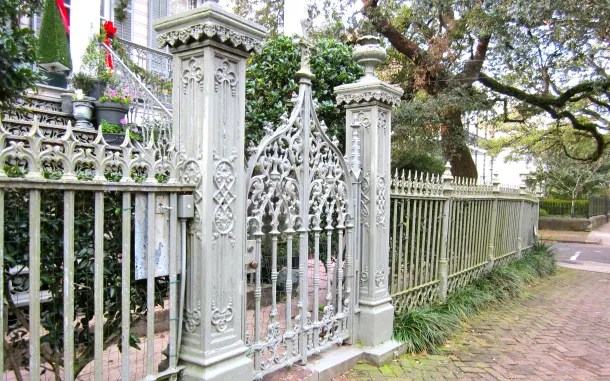
Attractive, meticulously maintained English-style gardens surrounded by intricate, wrought iron fences and gates were de rigueur.
THE FRENCH QUARTER
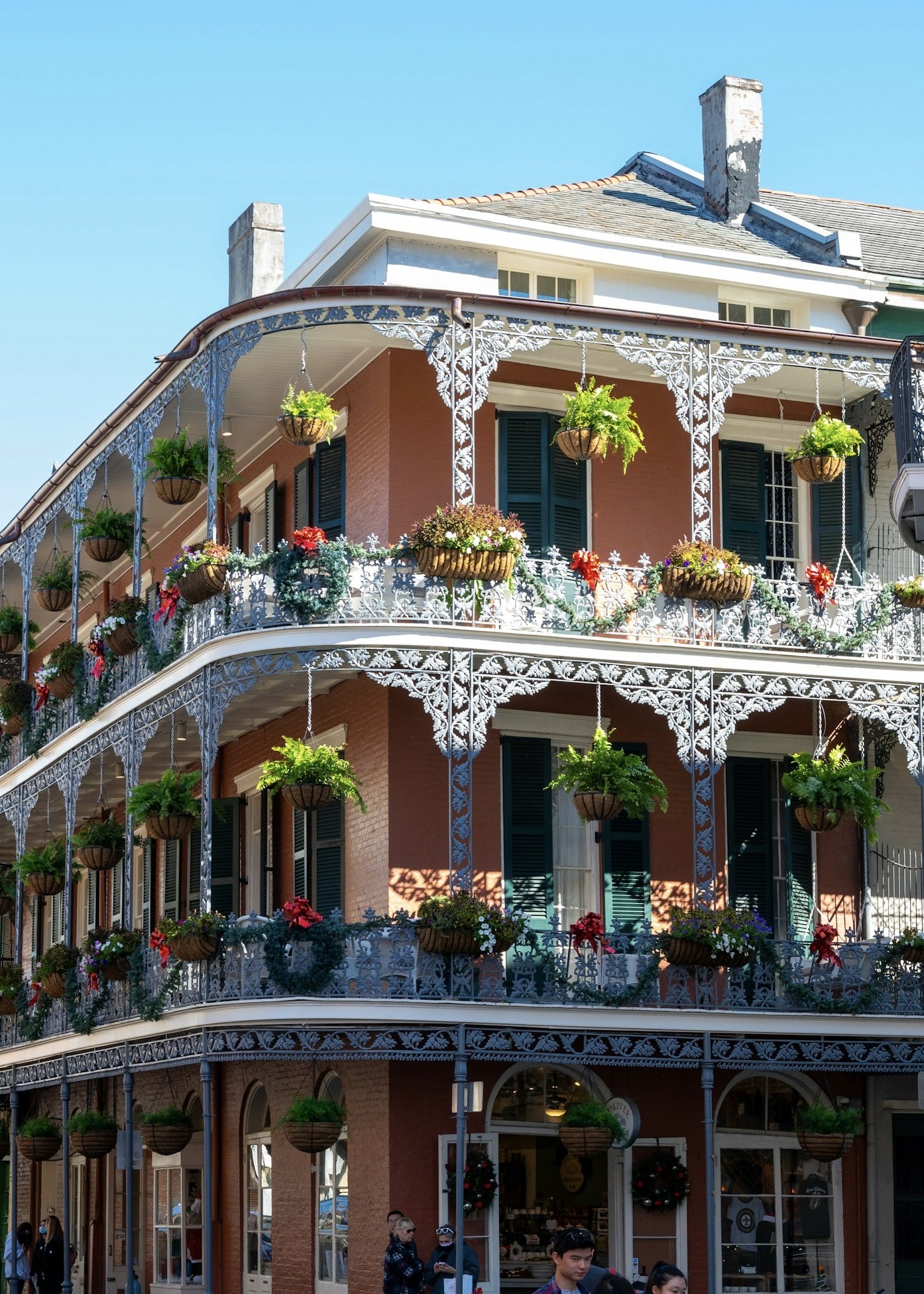
On the other hand, down the Mississippi River, the well-established Vieux Carré had generations of influence from French and Spanish Colonial architects who cut their teeth in the hot, steamy tropics.
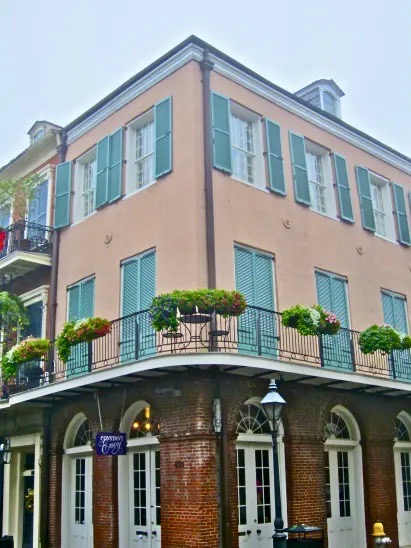
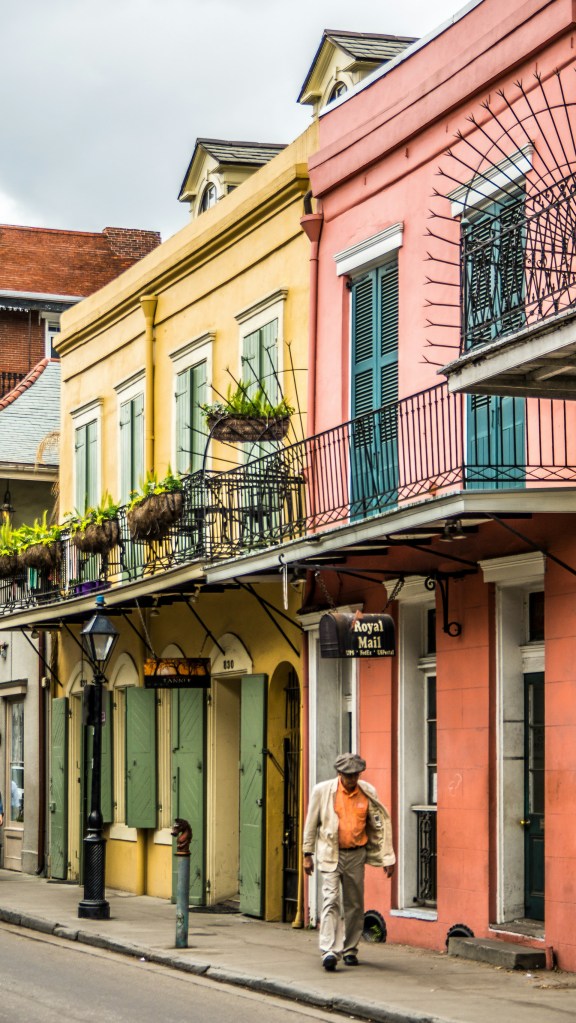
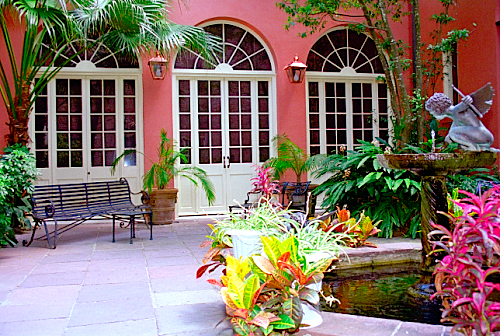
The wealthy preferred thick-walled villas surrounding small, private Mediterranean-style courtyards with a cooling fountain. And being squeezed onto limited high ground meant that houses were crowded next to the banquette (sidewalk). Creoles from the Caribbean Islands, built raised cottages to help escape disease-carrying mosquitoes and flood waters, while African craftsmen influenced the design of the shotgun houses.
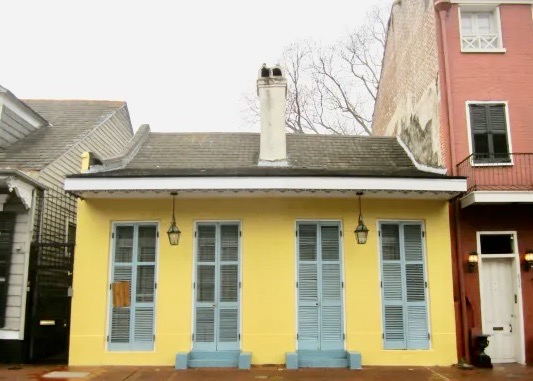
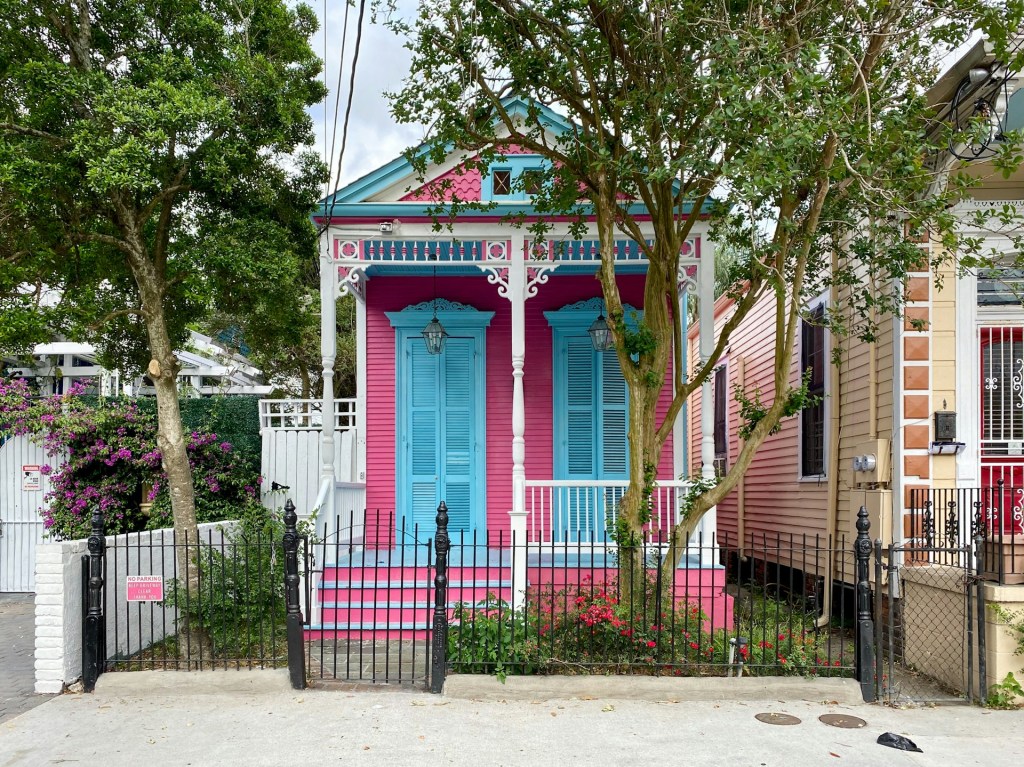
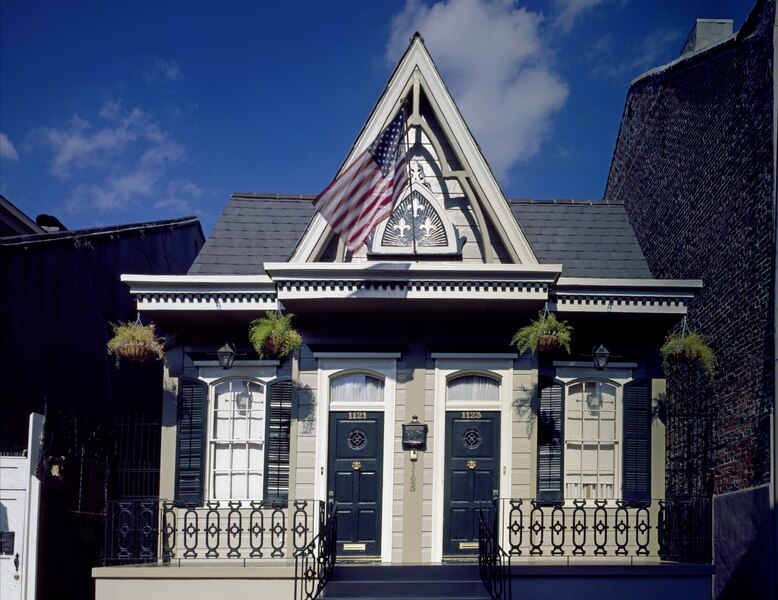
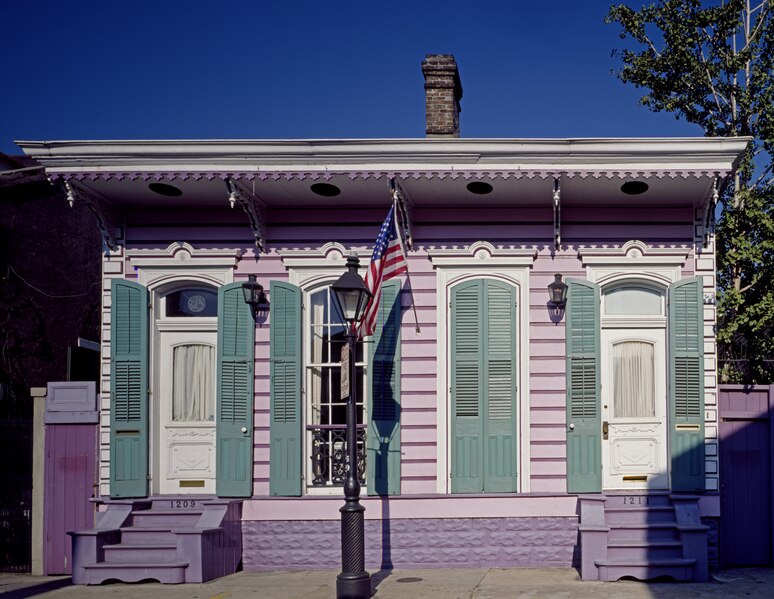
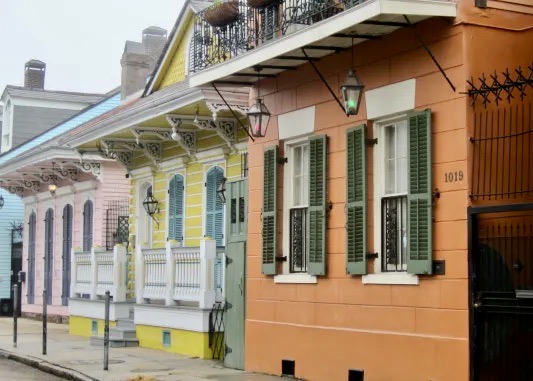
Mardi Gras 2026 is only a few days away, and if you’re hoping to escape the winter deep freeze by venturing down to The Big Easy, we say Laissez les bons temps rouler! But between cocktails and chants of “Hey mister, throw me something!” we encourage you to make New Orleans’ delightfully different architecture part of your fun.
Happy Trails,
James & Terri

Photo Credits: 2. Stella He 8. Arun Kuchibhotla 9. David Ohmer 11. Josh Doguet

 GALLIVANCE
Wonderful captures of all the wrought iron and architectural wonders.
Thanks Rebecca. We moved to New Orleans for our first jobs out of university, so it’s always held a special place in our hearts. ~James
That would make it special. We had a wonderful romantic getaway there when we lived in Austin.