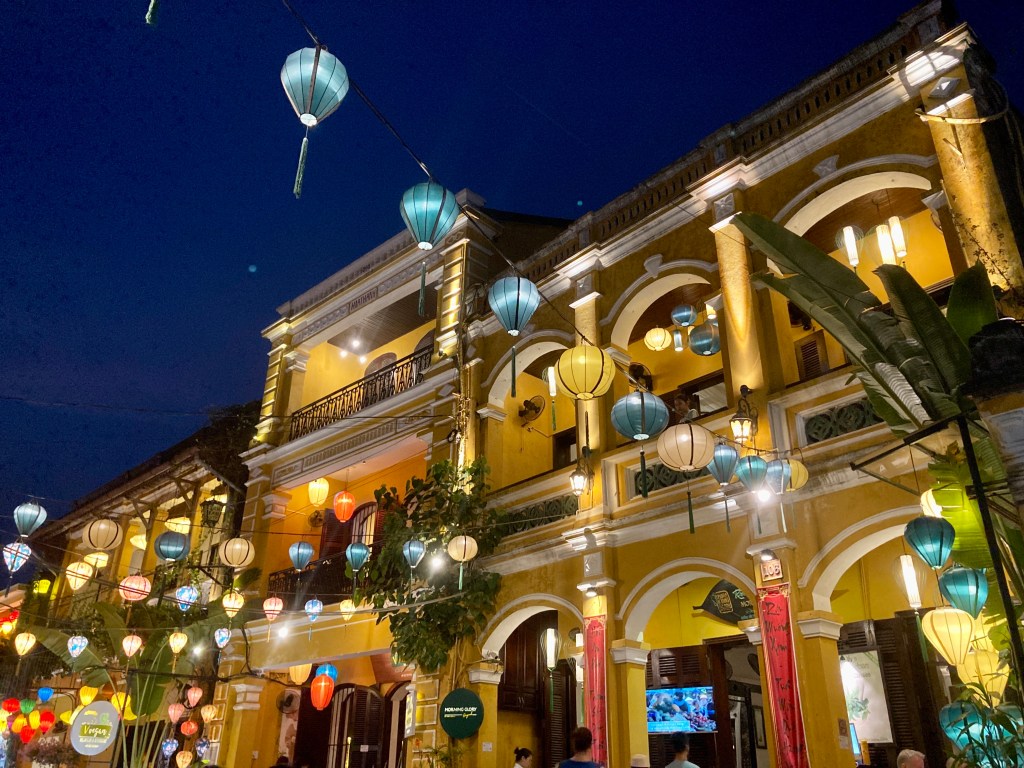
In the 17th Century when Chinese and Japanese trading ships sailed into the successful seaport of Hoi An, Vietnam, it was unavoidable that the adventurous seamen carried with them ideas, beliefs, and experiences from their homeland. Some of these wanderers became permanent residents, and their next step was to build comfortable houses, ornate temples, and shops that felt more like home.
This foreign influence forever changed the small, provincial city of Hoi An, and according to UNESCO, today’s visitors experience:
“An exceptionally well-preserved example of a South-East Asian trading port dating from the 15th to the 19th century.”
Today, Hoi An’s romantic, lantern-lit streets, gourmet restaurants, and delightful cafes haven’t gone unnoticed, so obviously, the city caters to tourists. But below this facade of commercialism is a centuries-old blend of architectural styles, from ancient yellow shops to traditional wooden houses to resplendent temples around every corner.
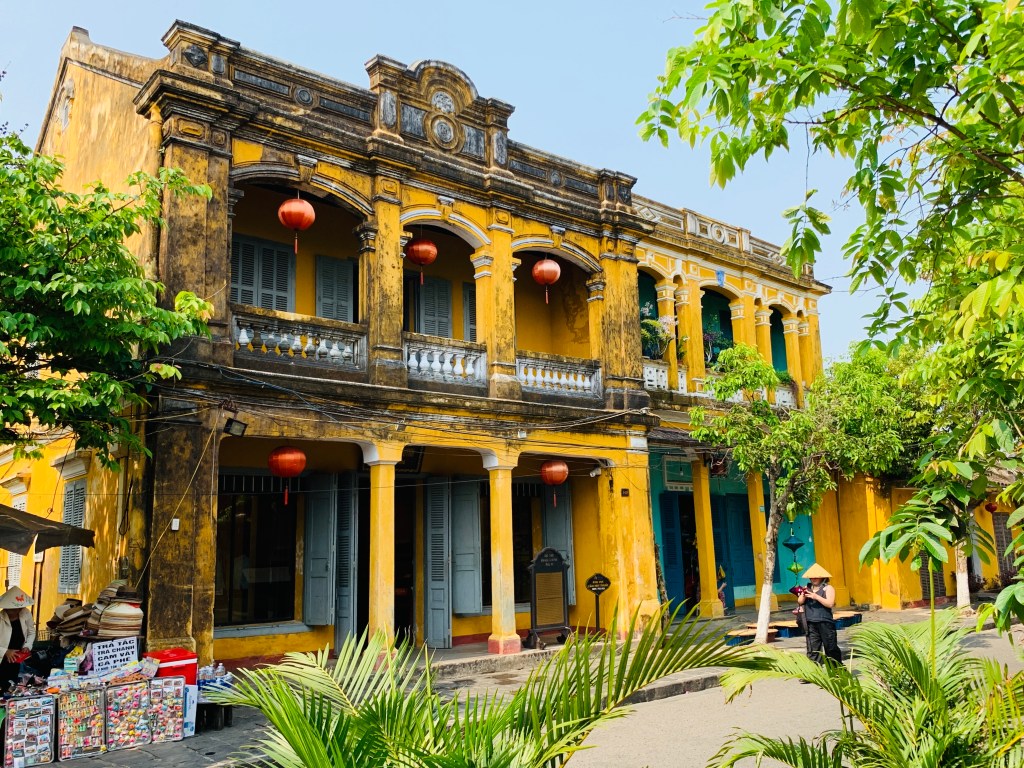
The old town is known for its state of preservation, but well-preserved doesn’t mean pristine. Many of the buildings in the historic area have the patina of age that’s the signature of tropical heat, humidity, and sunshine. Nevertheless, if you look closely, the historical details which make the village so intriguing are there to see.
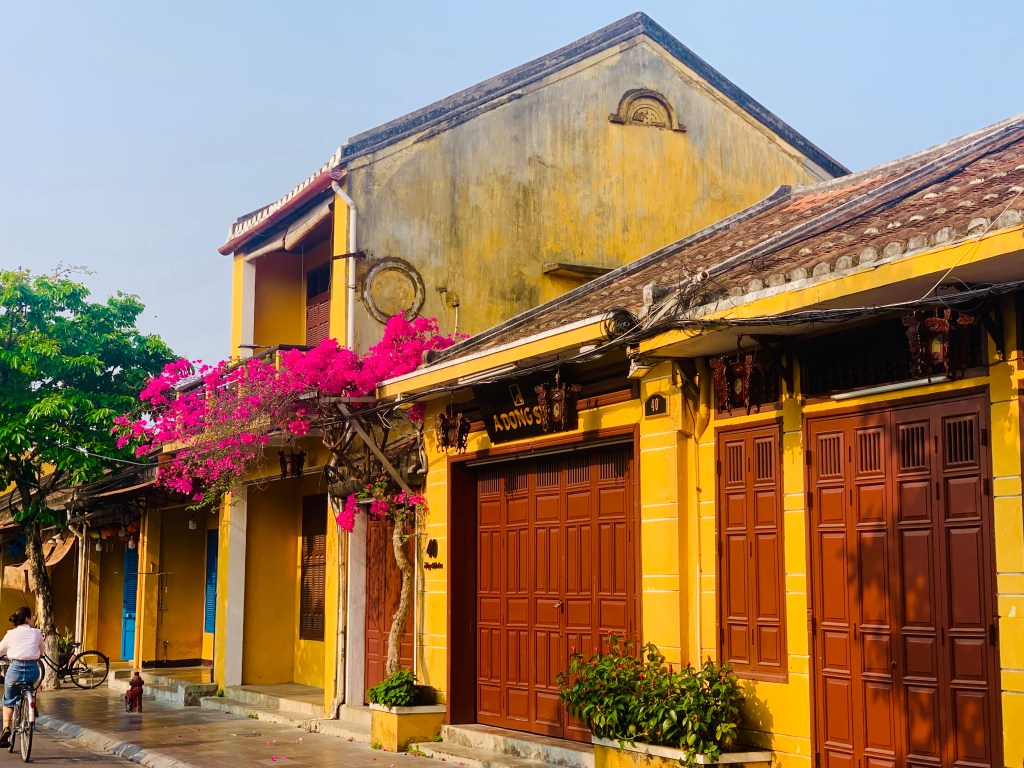
Students of architecture find the city a textbook of fusion and transition of style. As the port prospered the buildings show a progression from simple, wooden one-story houses, to two-story shop-houses.
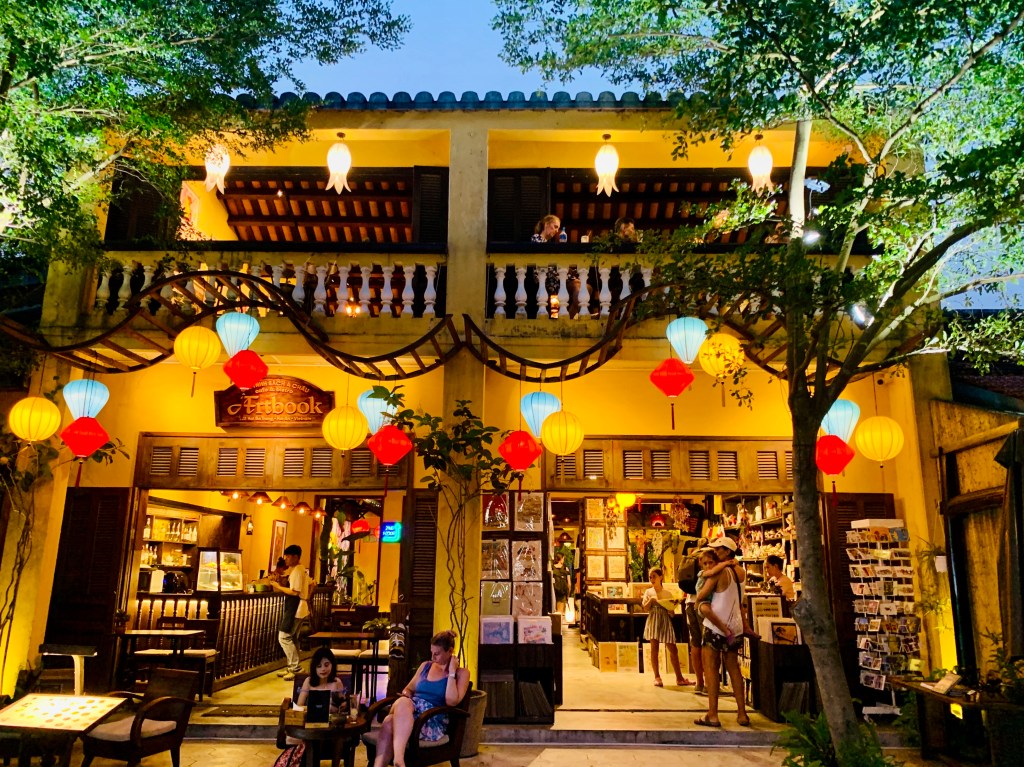
And thanks to French colonization in the 1880s, there are even a few grand Parisian-style townhouses.
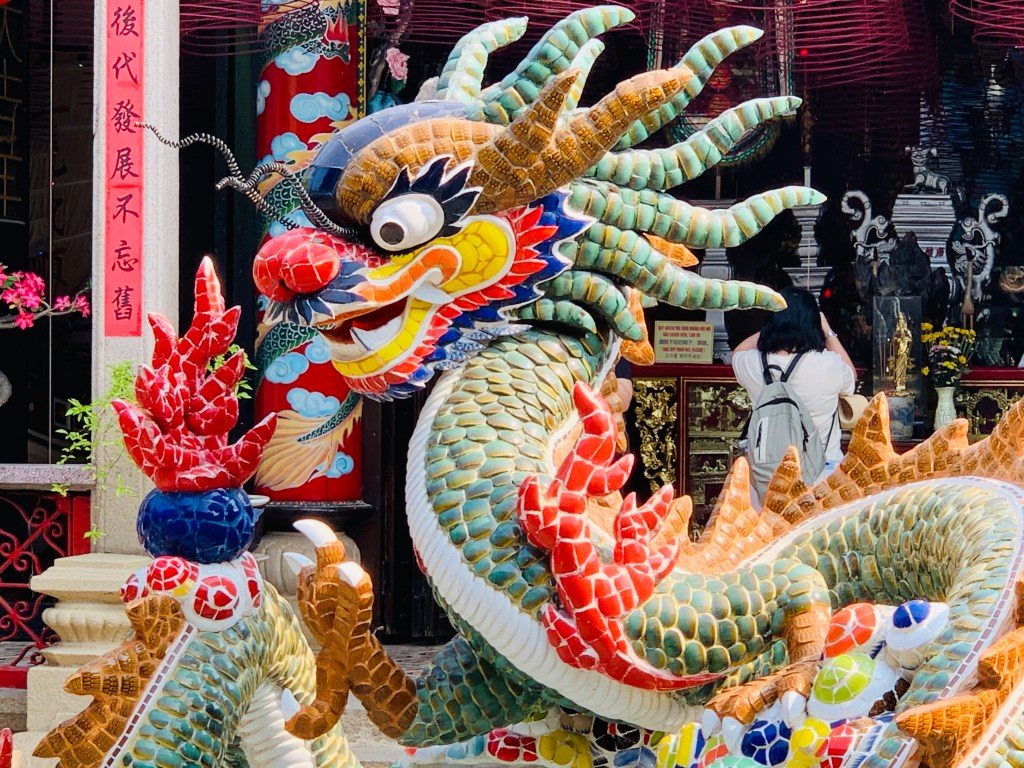
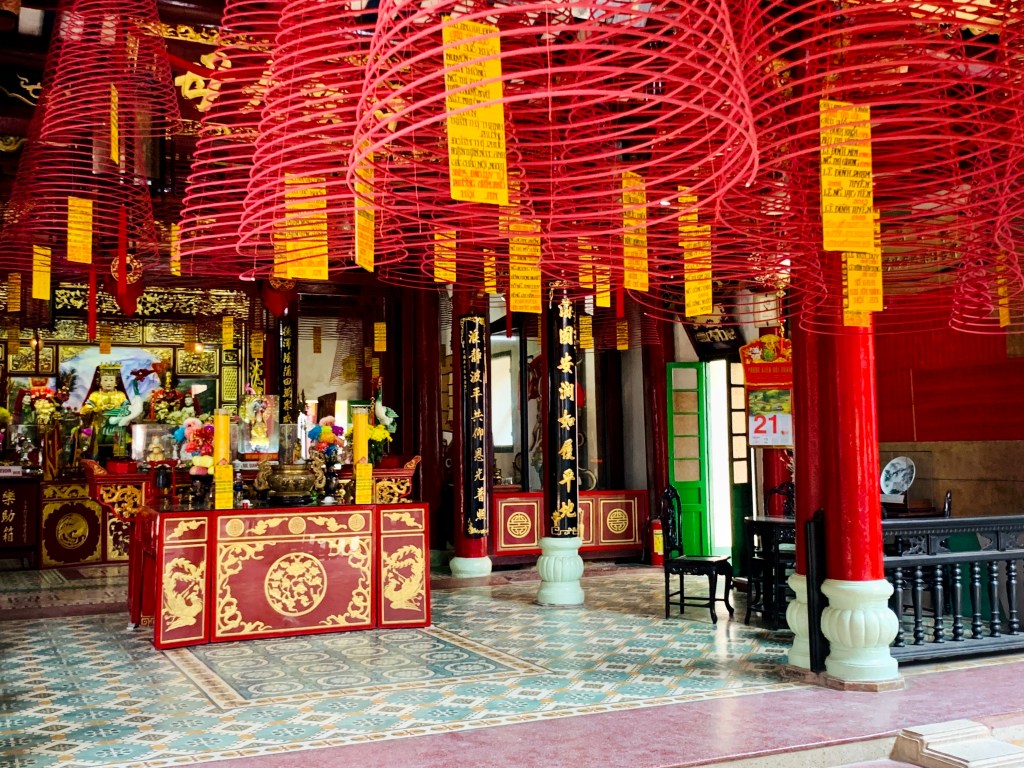
However, on the more exotic side, the city’s most colorful eye candy is the amazing collection of flamboyant temples. Hoi An has a dizzying array of temples dedicated to indigenous as well foreign religions: Buddhist, Taoist, and classic Chinese temples, as well as family shrines and pagodas showing respect and gratitude to ancestors.
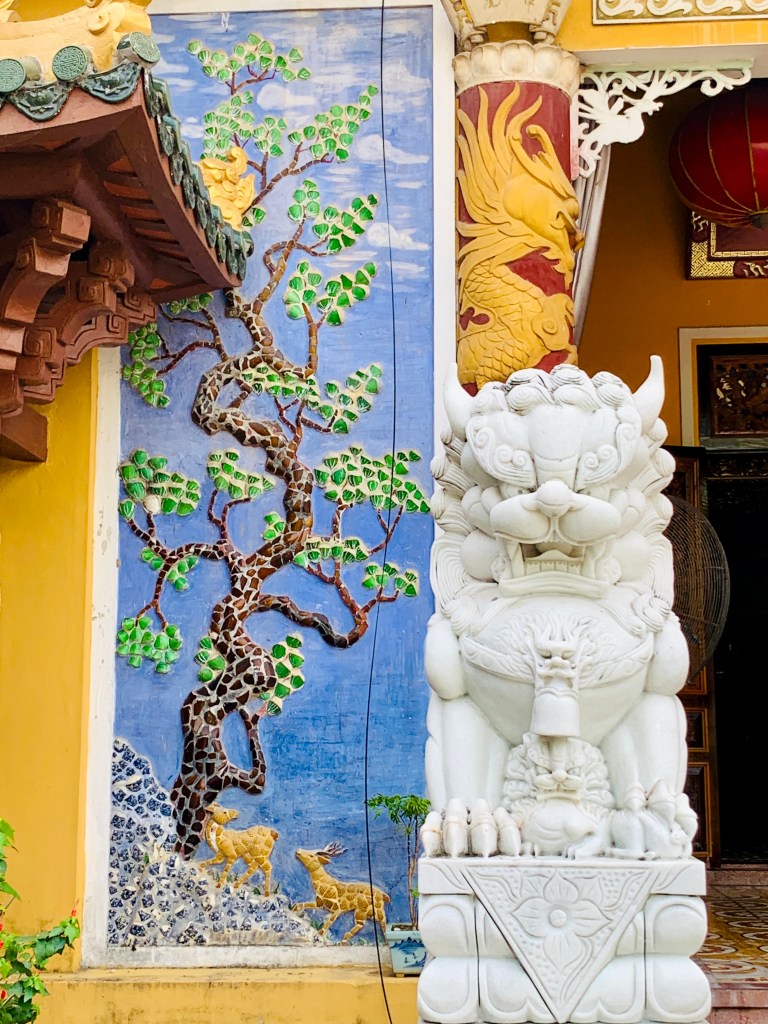
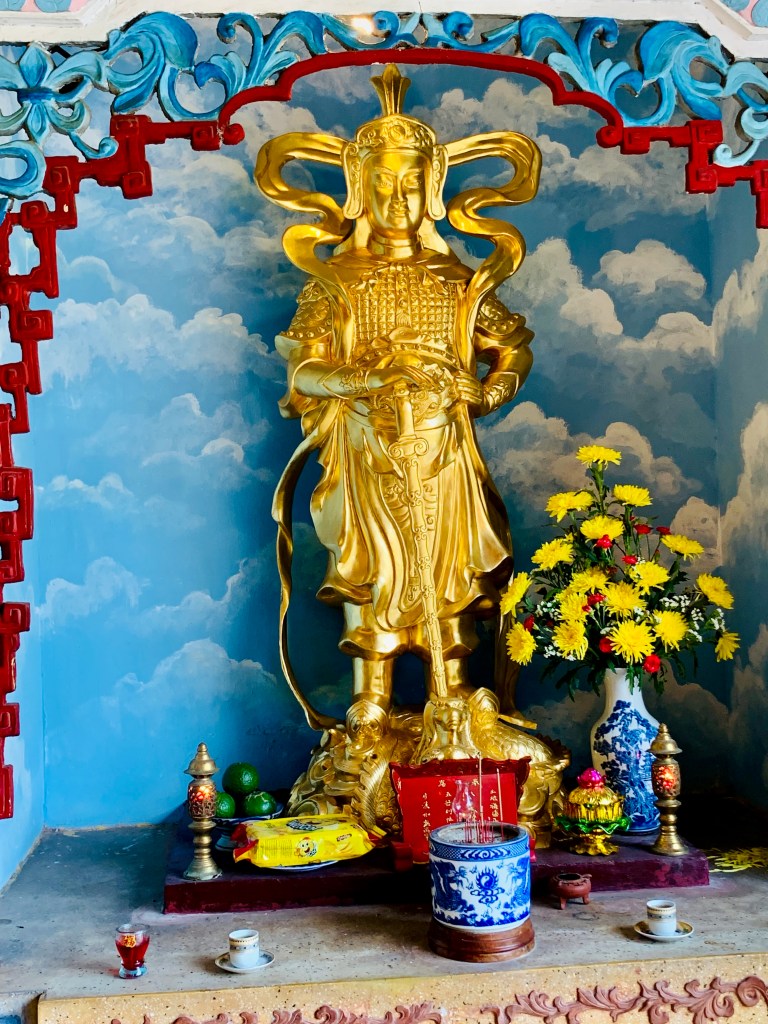
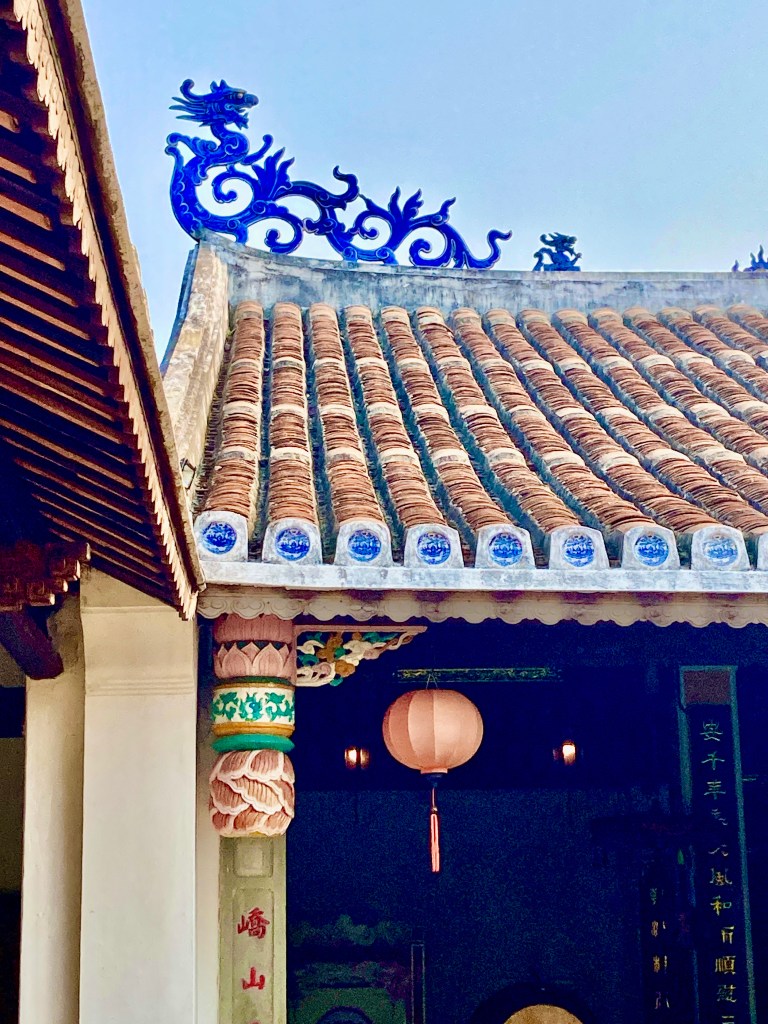
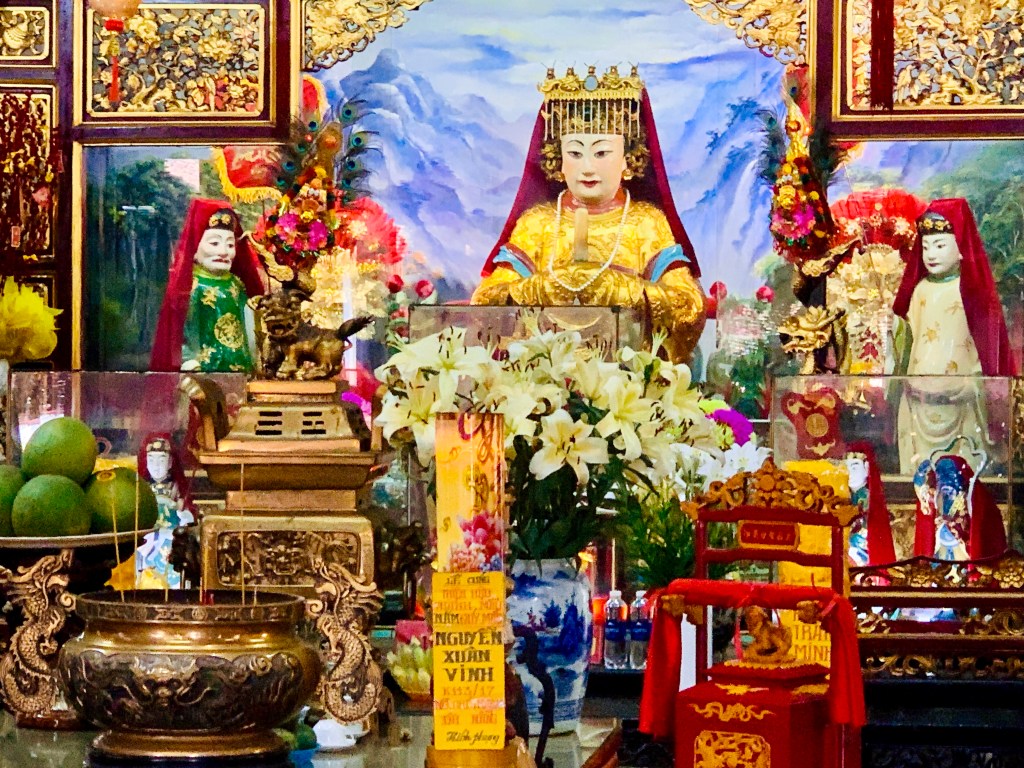
Fresh offerings of flowers and food, as well as huge coils of fragrant incense smoldering in the rafters show that these are active, daily-use temples, and not just tourist fodder.
Hoi An’s combination of assets enabled the city to flourish as a seaport, and in the early 18th century it was considered by the Chinese and Japanese to be the best destination for trading in all of Southeast Asia – quite a distinction.
Yet, as often happens in the long game, a capricious Mother Nature had other ideas. In the late 1800s the mouth of the Thu Bon River silted up, trade dropped off, and the city became an economic backwater … literally.
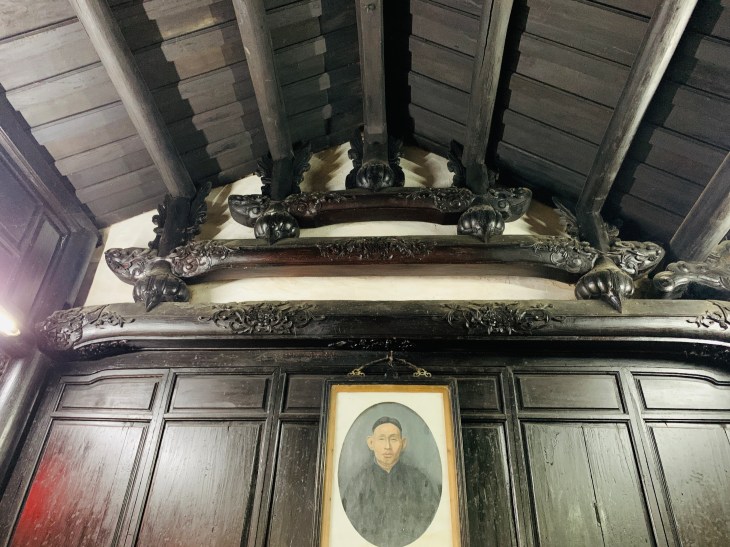
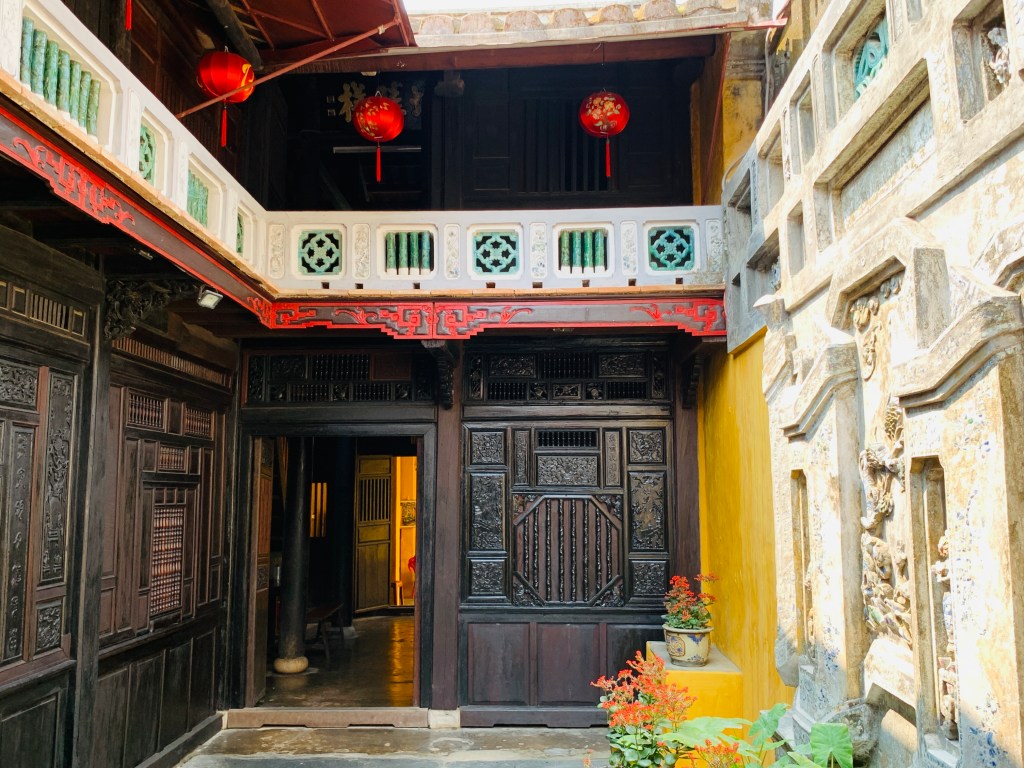
But in a bad news/good news way, economic stagnation since the 19th Century helped produce the well-preserved town that exists today. The lack of activity in the area made it unappealing to developers so there hasn’t been any motivation to replace the older buildings with more modern ones. And to the delight of travelers, what remains are the original port buildings with an unaltered street plan, as well as the riverside quays, canals and bridges that were historic Hoi An.
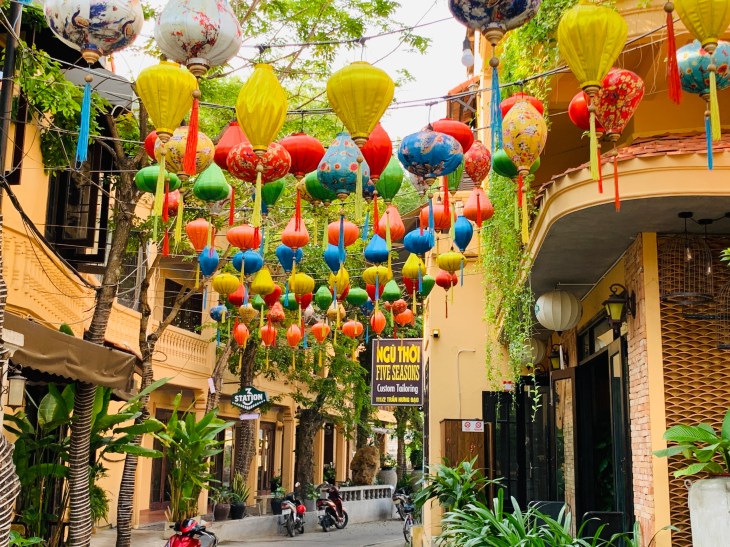
You certainly don’t have to be an architecture fan or religious scholar to appreciate the charms of Hoi An. The historic area is compact, and isn’t necessarily a huge time commitment. The old town is the perfect combination of rich cultural experience, exotic temples, cafes galore, and enough tourist shops to have something for everyone. It was the high point of our trip to Vietnam, and it should be on everyone’s itinerary. Don’t miss it.
Happy Trails,
James & Terri

 GALLIVANCE
You make me so jealous, James. I’ve never been to the Far East and this is surely one of the stars of the show.
Jo this was our first trip to Vietnam, and from the earliest days of planning we had Hoi An on our radar. It’s exactly the type of place we enjoy, and it didn’t disappoint. It really is a charming place. ~James
🤗🩷
Hoi An is such a special city. Even though it’s on the tourist trail it has maintained its wonderfully unique personality. Maggie
I agree Maggie. Places like Hoi An are bound to be discovered. And since I’m one of those tourists out there cluttering up the quiet streets, I can’t be too critical. But, it really is a special place. ~James
I love the architecture and history of this place. I have yet to visit Viet Nam but just returned from Thailand, my first visit to the Far East. I was fascinated by the color and pageantry.
Darlene, the people in the Orient certainly believe in the use of color, and like you, I find it’s fascinating as well. You can probably tell from the photos on this post that I find the colors very photogenic. I’m glad you enjoyed Thailand. It’s one of our favorites in that part of the world. ~James
A banquet of color and architecture, James and Teri. Plus history. Thanks. –Curt
Curt, even though they’re on opposite sides of the world, I couldn’t help but make comparisons to New Orleans. It has a similar history with the river town, French, Spanish, and American influence, and the various religions and architectures. In fact, I considered making the comparison the focus of the post, but didn’t want to get sidetracked. ~James
Interesting observation, James. I always enjoy New Orleans. But avoid it during hurricane season. Last time we were there a tornado set down a couple of miles away. One thing about New Orleans you can always count on. It is never dull. –Curt
Hoi An is a favourite place for us. Lots of great memories. Thanks.
Peggy, Hoi An was our favorite stop in Vietnam as well. It only took the taxi ride down the beach from Danang to see what a delightful contrast small, quiet Hoi An is to all those high rise resorts on the coast. ~James
Your photos are absolutely gorgeous. I would love to visit Vietnam one day, and your pictures bring it’s spirit and colours to life 🙂
Thank you Hannah. Of course, the temples add a fabulous splash of color to the town, and the yellow shops and houses are quite a contrast to the older wooden buildings. I’m not sure of the origin of the lanterns, but they are a wonderful tradition as well. Certainly one of the fun aspects of Far Eastern countries is they aren’t afraid to use flamboyant colors. I hope you can make it to Vietnam soon. ~James
I loved Hoi An. The old shophouses were pretty (that yellow color really gave this town its unique visual identity), the temples interesting, and the food mouthwatering — I had the best banh mi I’ve ever had in my life! Aren’t we all glad that most of those beautiful structures are still relatively well-preserved today? Really enjoyed this post down the memory lane.
Bama, Hoi An was one of our favorites for all the reasons you mentioned. And BTW, in Vietnam we fell in love with egg coffee, and we discovered a small cafe there that was perfect for a coffee while sitting at a small table in front to watch the world pass by. Yes, Hoi An is special … even with the tourist crowds. ~James
I had no idea about Vietnamese egg coffee. I’ve only had egg tea before, and I really liked it.
Oh I am envious. I’ve been to Vietnam twice, but somehow managed to miss Hoi An. I’ve heard over and over what a gem it is, but your wonderful post really showed me what a beautiful and special place it is. One day . . . .
Alison
Alison, we visited Hanoi and Hoi An on our stop in Vietnam. And while Hanoi is interesting and a must see for first time visitors like us, far and away we preferred Hoi An. It’s everything we love in a small, relaxing package: history, architecture, great food, and an exotic culture. Don’t miss it on your next trip. ~James