From the earliest days of tourist travel, European capitals have drawn visitors from all over the world: London, Paris, Rome, Lisbon, Amsterdam, and all the others. Each city’s history, art, architecture, food, and distinctive street life encapsulates the country’s unique culture. But well into our fourth decade of travel we’re finding ourselves drawn more and more to the smaller, more relaxed and accessible destinations that show another side of each country’s way of life.
If you’re looking for another side of Europe, here are nine of our recommendations to consider for your next trip.
TRONDHEIM, NORWAY
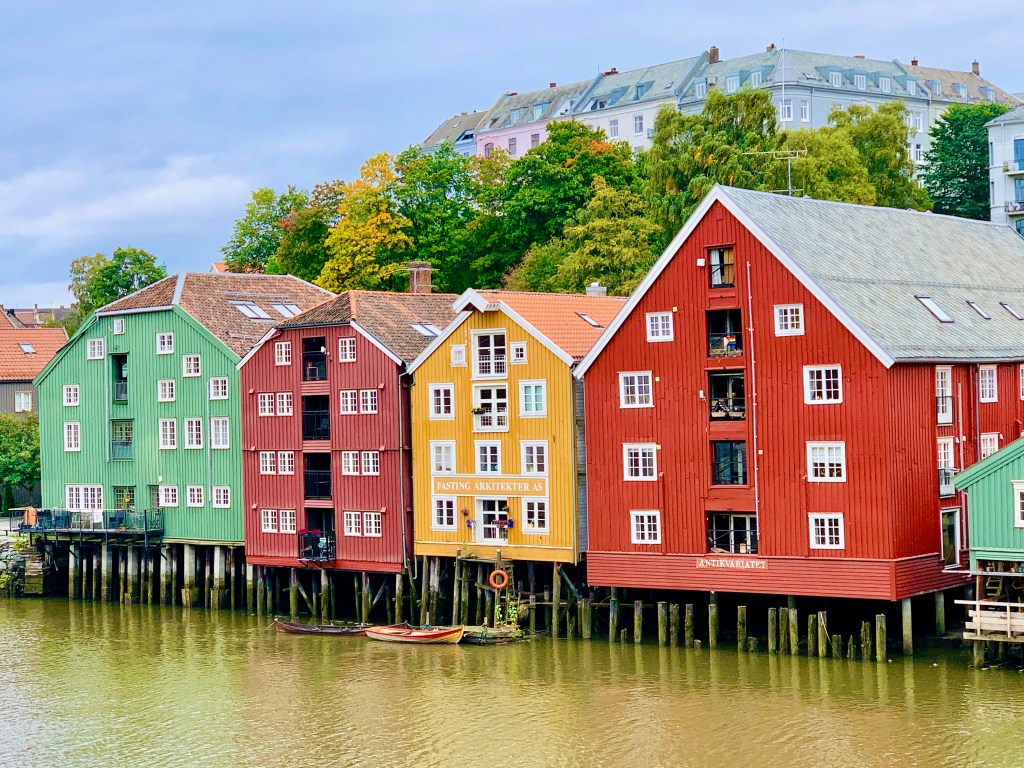
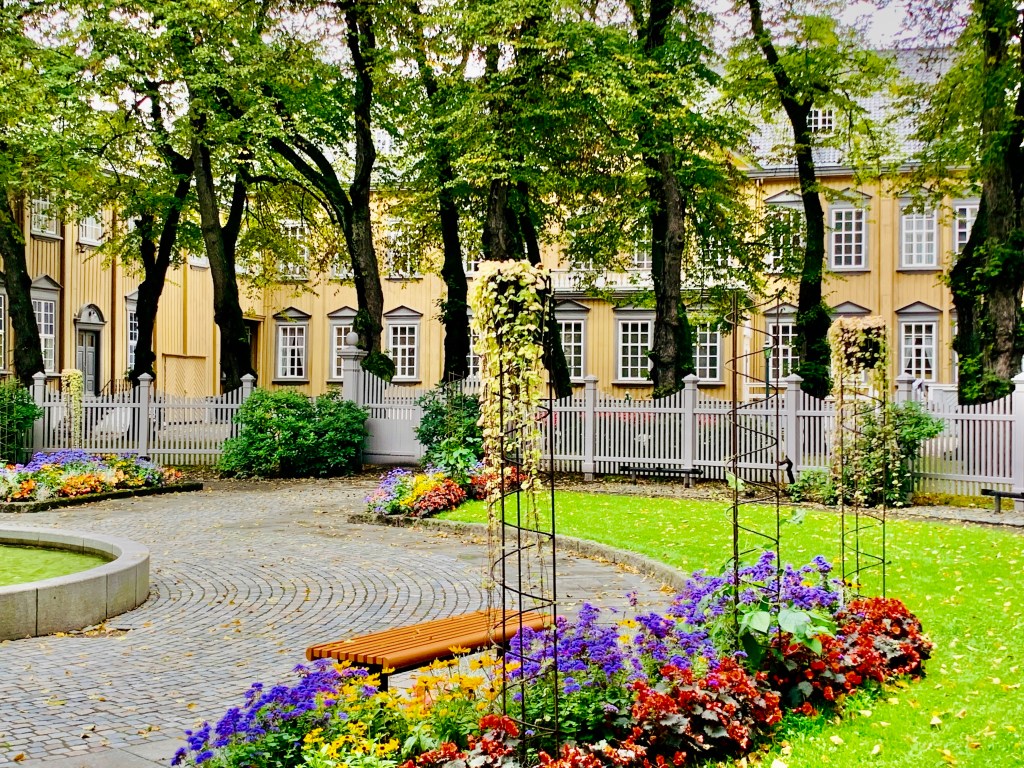
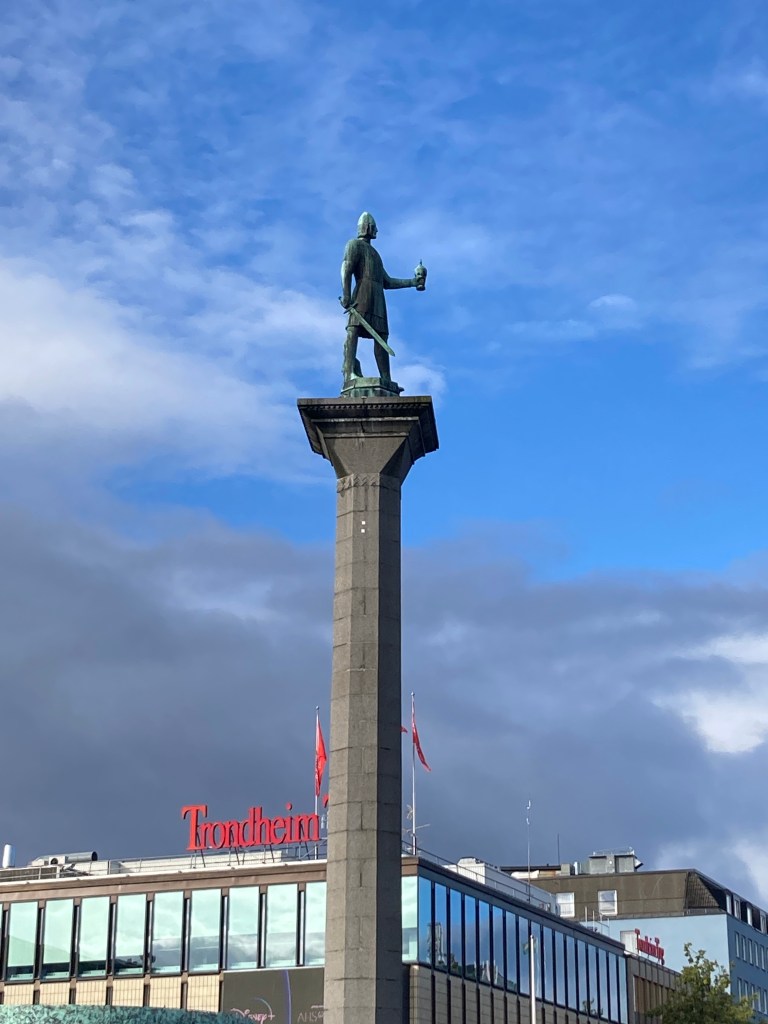
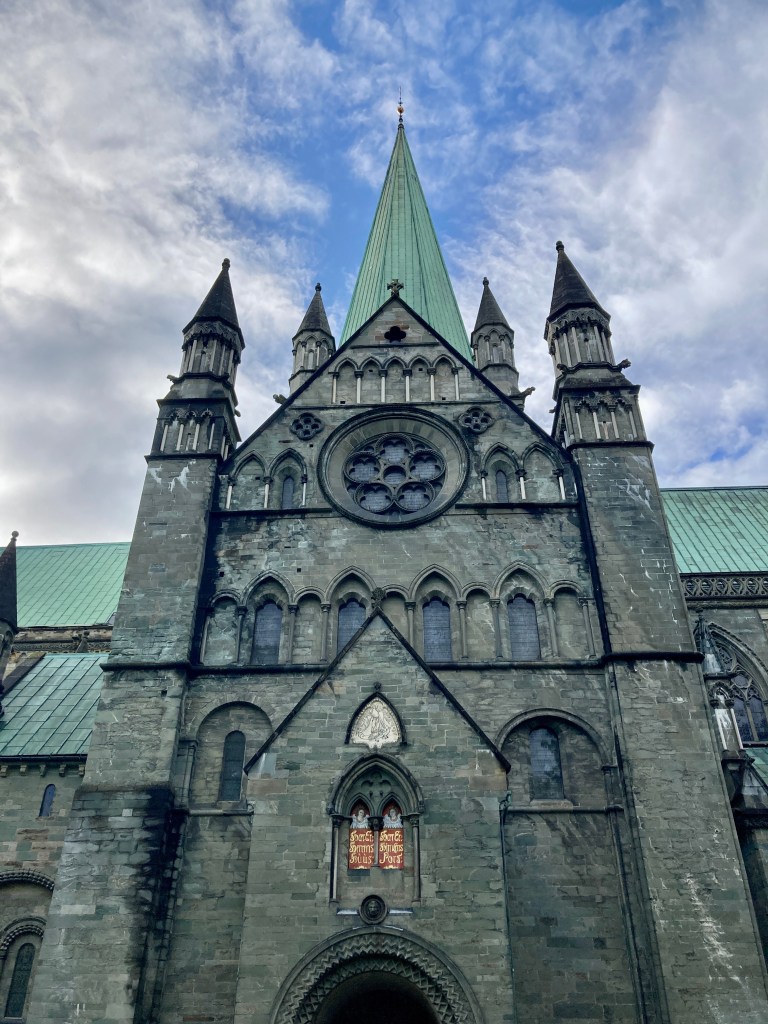
Trondheim bills itself as a “big little city,” but tourist-board marketing notwithstanding, all the action for visitors takes place in the compact town center. It has a relaxed, small-town feel and a historic core just made for walking. The city is home to the Royal Residence (Stiftsgården) and the grandiose 11th Century Nidaros Cathedral which is the endpoint for the “Pilgrims Path to Trondheim.” And for something a bit more colorful, the rainbow-row of historic wharf warehouses lining the nearby Nidelva River is a big draw for photographic and selfie pilgrims. Trondheim is a very different experience than the capital Oslo, and it’s well worth the one-hour flight north to see another side of Norway.
SIGHISOARA, ROMANIA
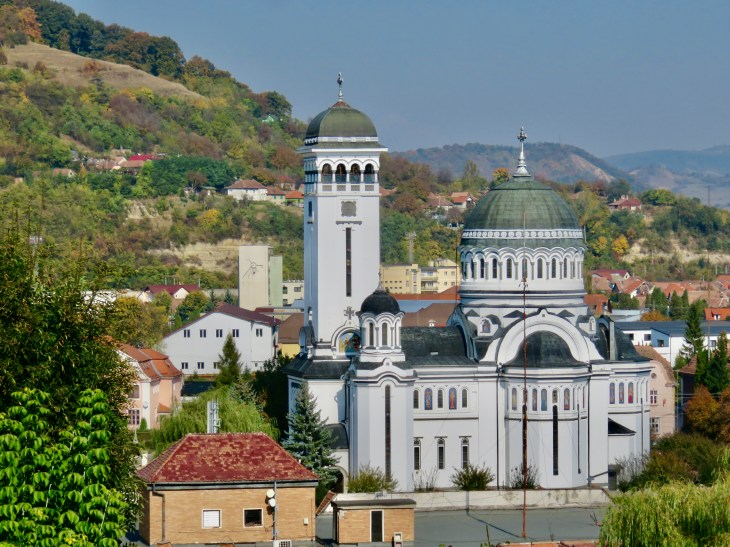
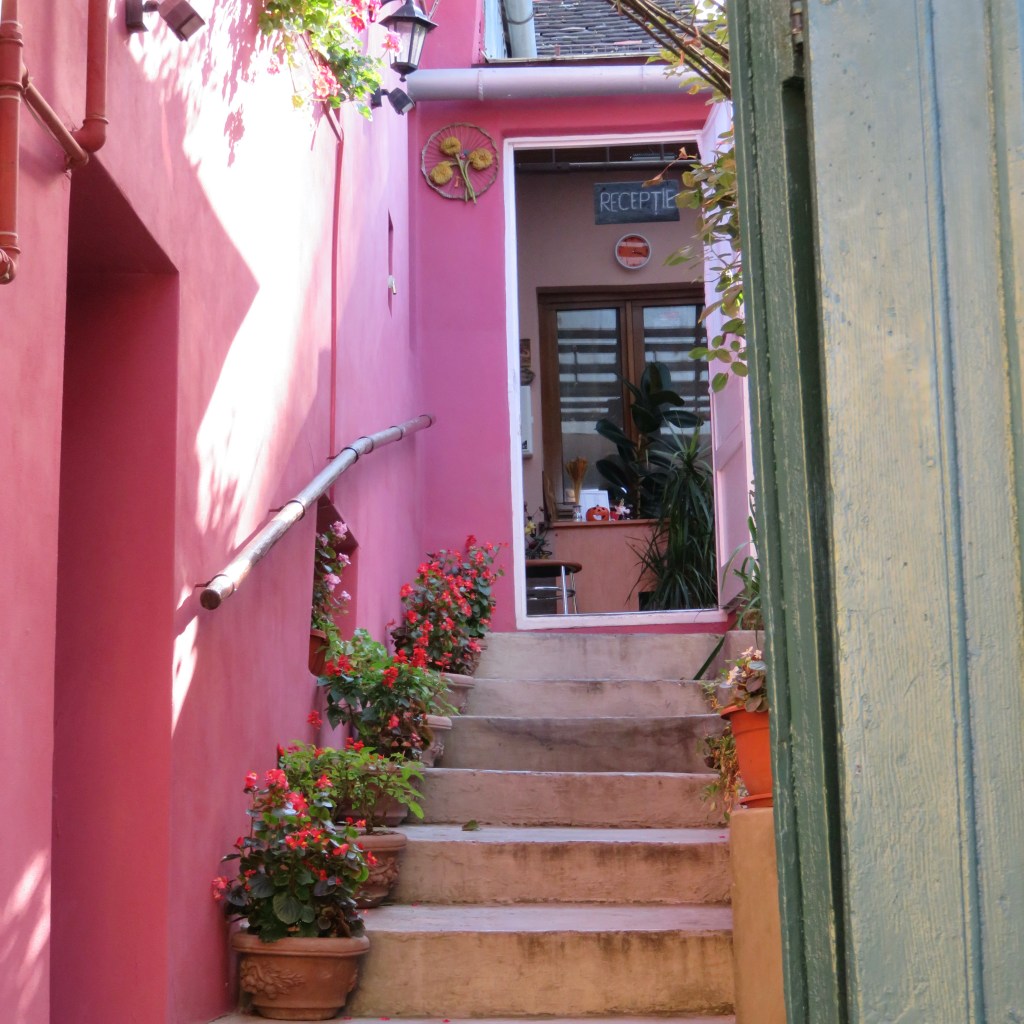
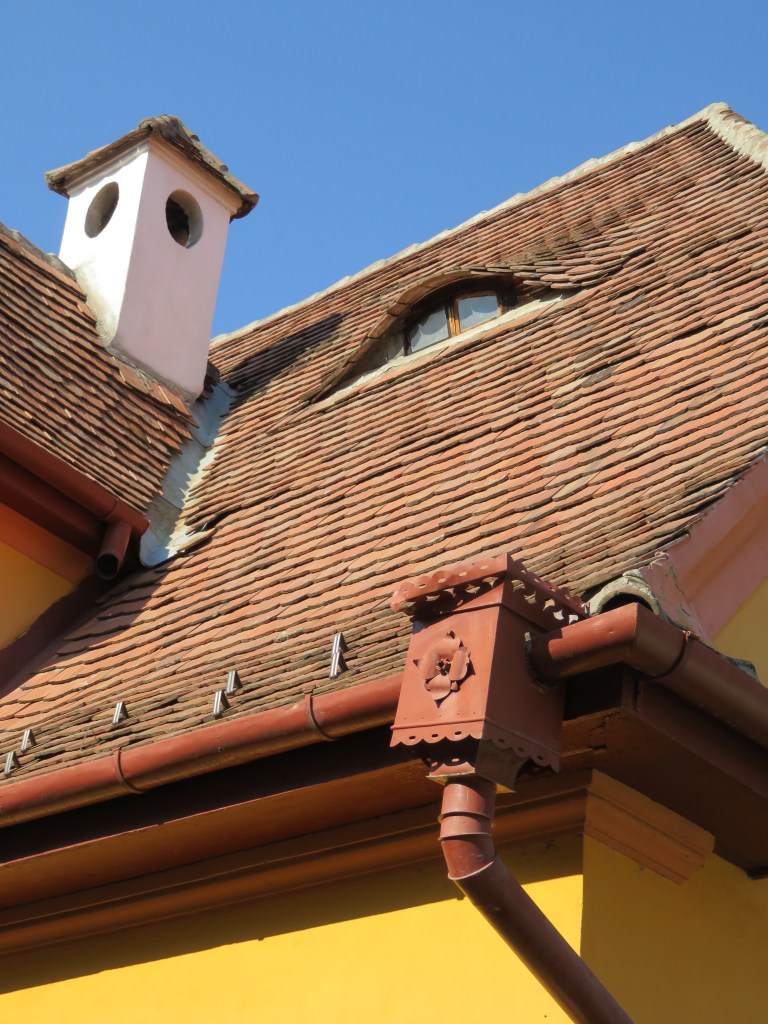
Sighisoara (sig-ee-SORE-ah) probably won’t be a city that most travelers recognize, but there are a couple of excellent reasons to visit this central Romanian standout. First, its hilltop citadel, maze of cobblestone streets, and distinctive 14th-Century clock tower remind visitors of the time when security meant high stone walls and locked gates.
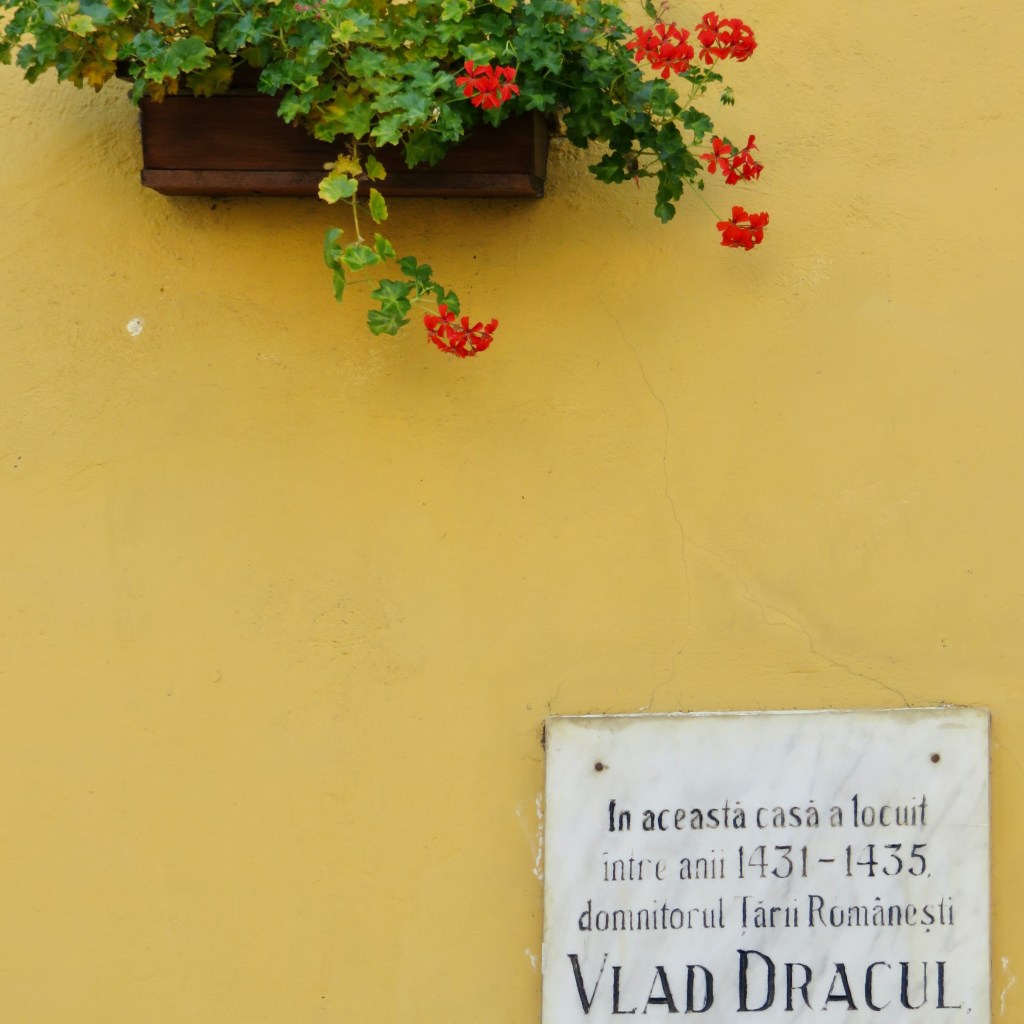
And if that Medieval reminder isn’t enough justification, horror fans will want to take note: Sighisoara sits squarely in the mythical, blood-curdling heart of Transylvania, and is the birthplace and home of none other than Vlad Tepes, aka Vlad the Impaler, aka sadistic superstar Count Dracula. You’ll have to dig to find the true vampire history (pun intended), but you’ll only have to scratch the surface to score all the Dracula T-shirts, fridge magnets, and coffee mugs you can carry.
SINTRA, PORTUGAL
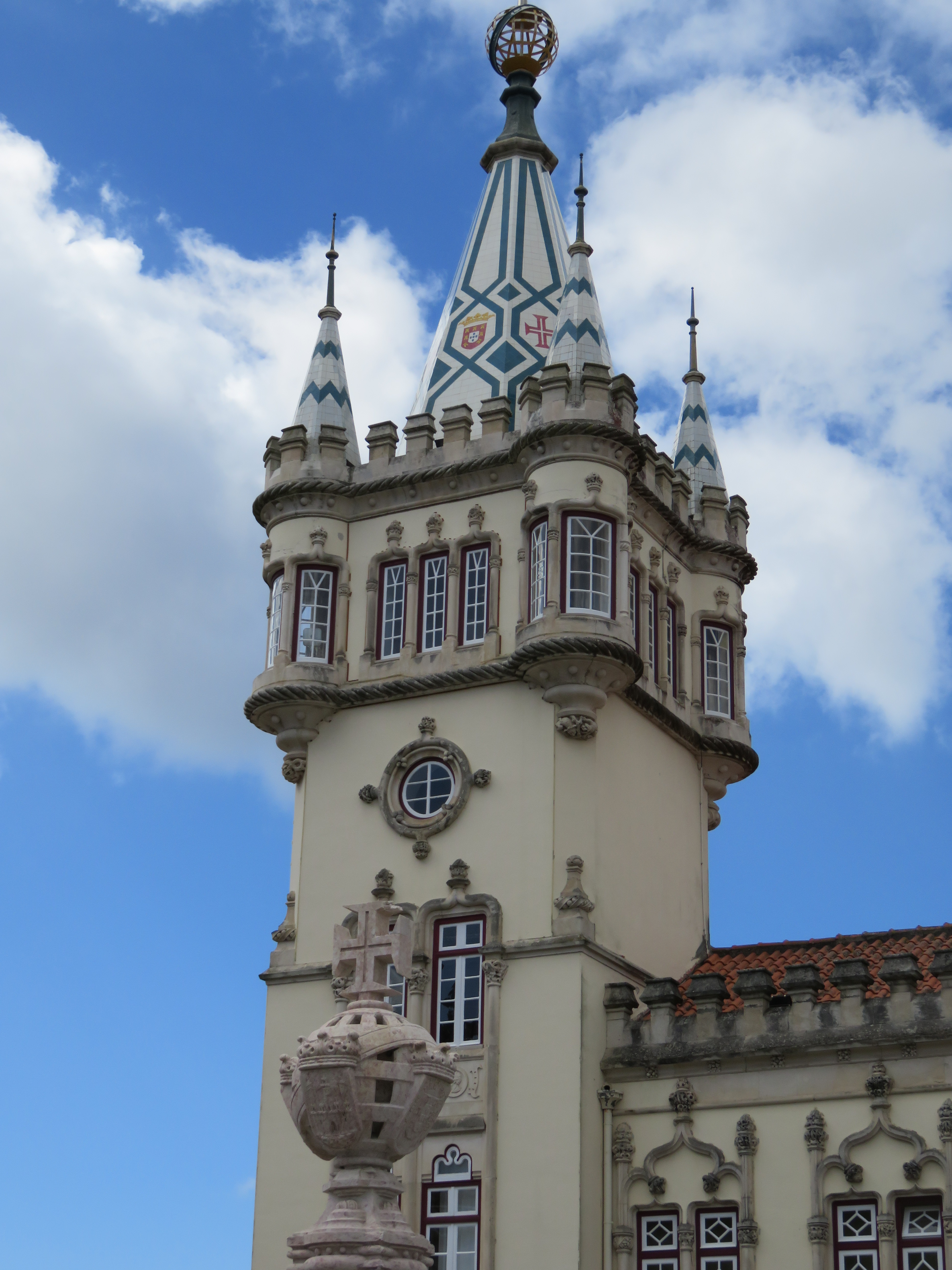
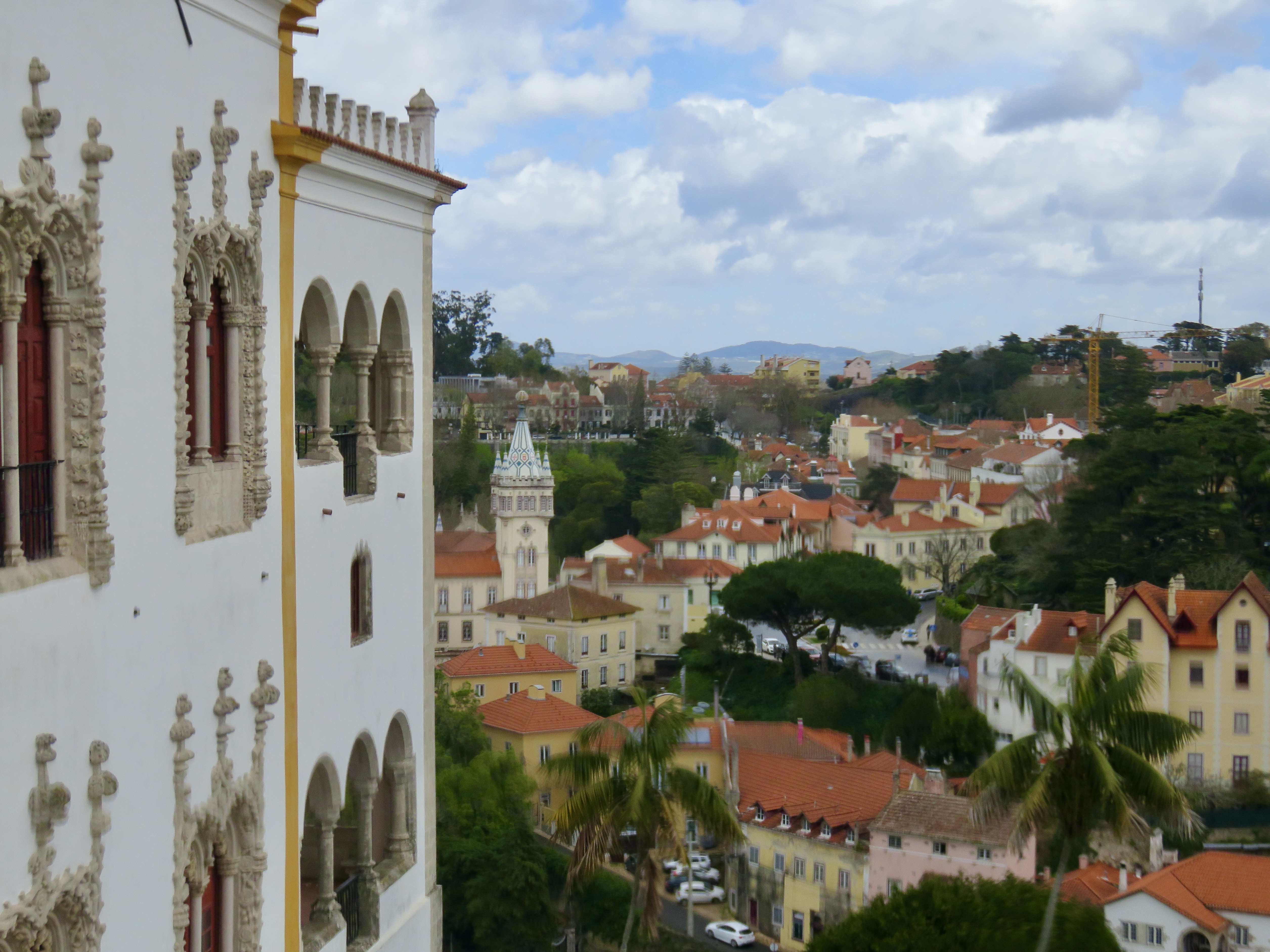
Sintra is one of Lisbon’s best and easiest day trips. Located 15 miles northwest of the Portuguese capital, it’s only a 45 minute train ride. The city sits in a lush, green valley surrounded by an abundance of mountainside castles and palaces.
The centrally located National Palace, the former royal residence, is Portugal’s oldest and most accessible sight in the historic center. The town’s proximity to Lisbon makes it very popular with bus tourists, so plan accordingly. But even with the crowds, there’s no question that Sintra is worth your time.
HOORN, NETHERLANDS
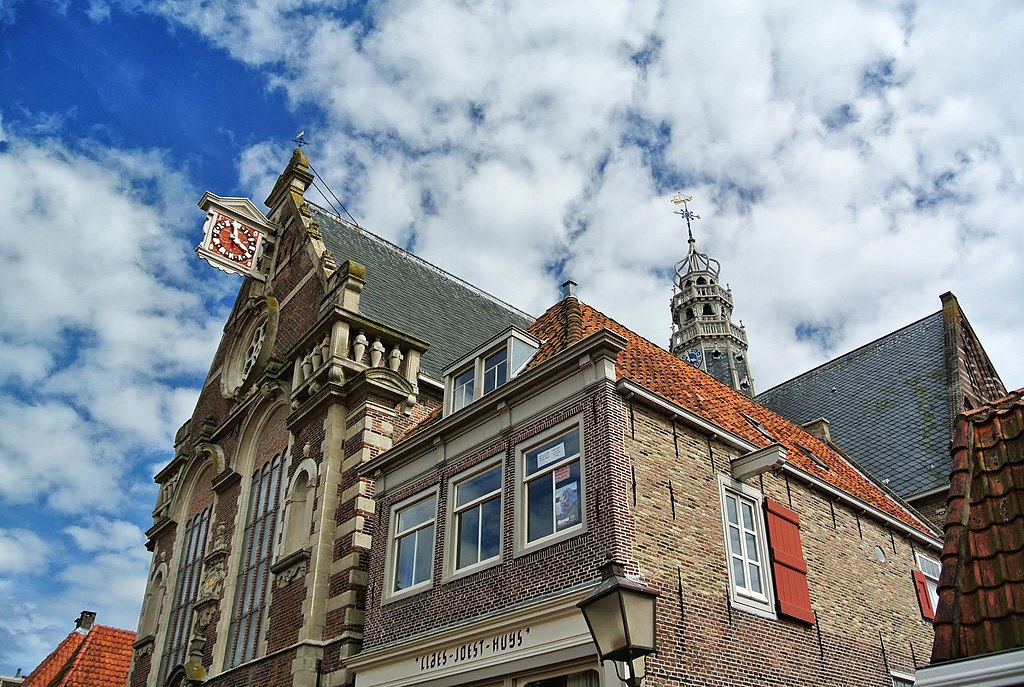
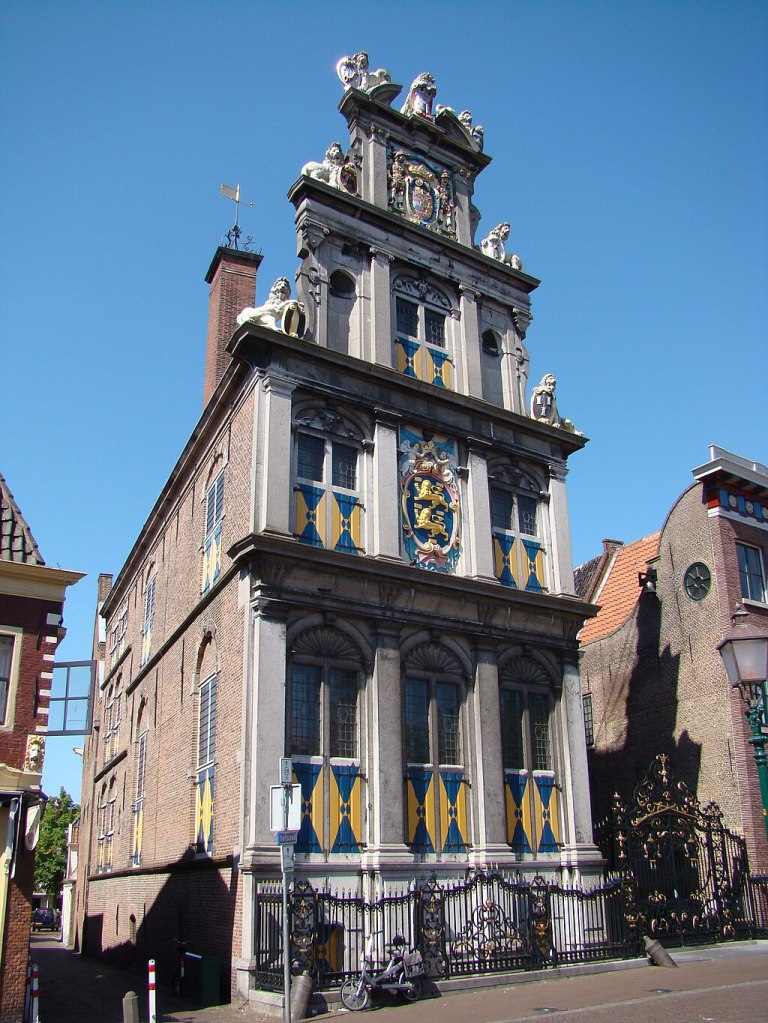
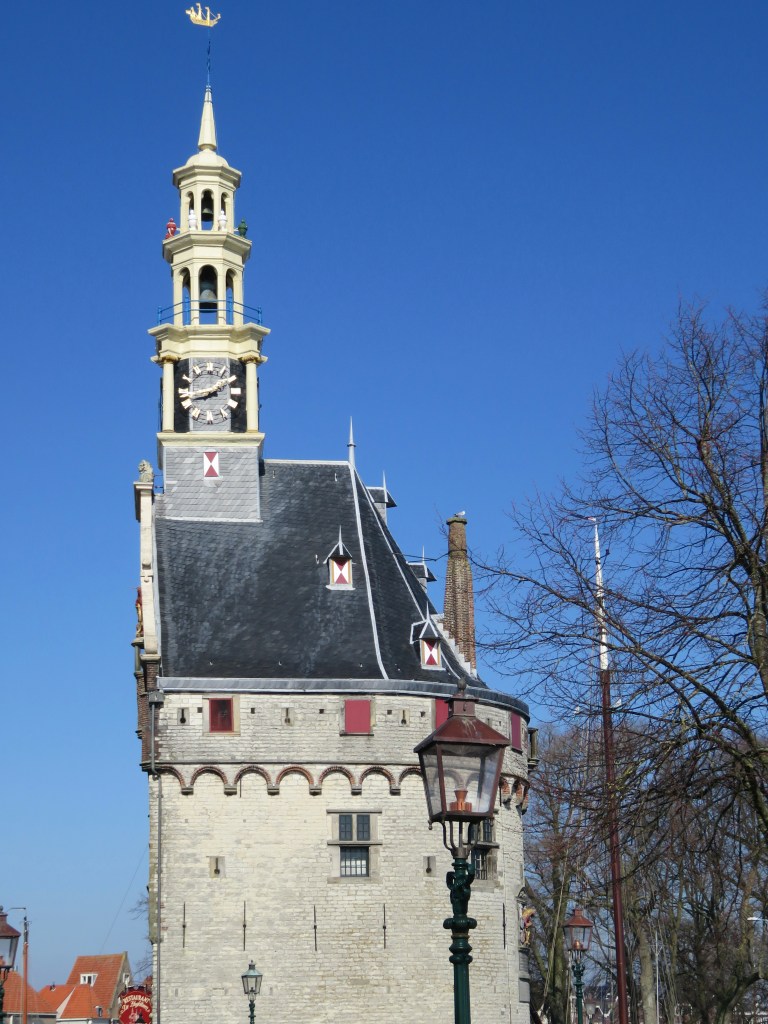
If I told you that the tiny Dutch village of Hoorn, sitting quietly on a protected bay in the west-central Netherlands, was a regional headquarters for one of the largest, richest, most influential corporations in the world, you probably wouldn’t believe me. But if it were the early 1600s, there would be no doubt.
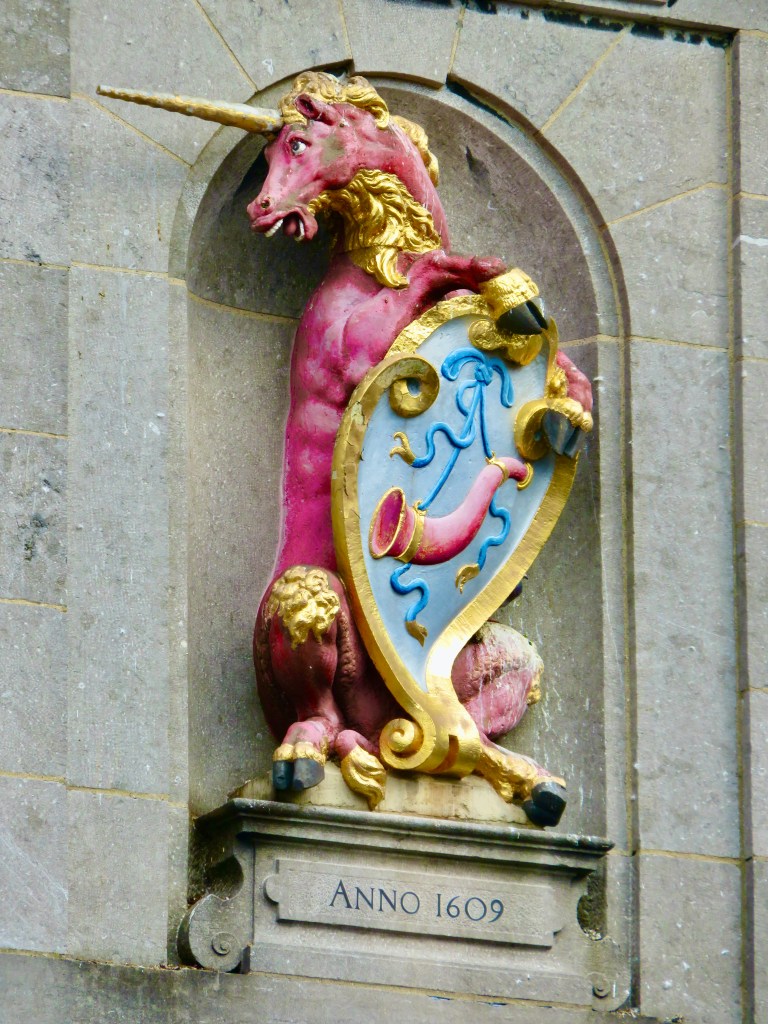
For it was here that the Vereenigde Oostindische Compagnie, (VOC), aka The Dutch East India Company, controlled its global empire. The VOC is long gone, but what remains today is a captivating city with real-life charm, and its tourist highlight is the Westfries Museum. If you want to see how the tiny Netherlands became a global power, Hoorn is the place to start. And just a scenic 45-minute train journey from Amsterdam Central will make it so.
COLMAR, FRANCE
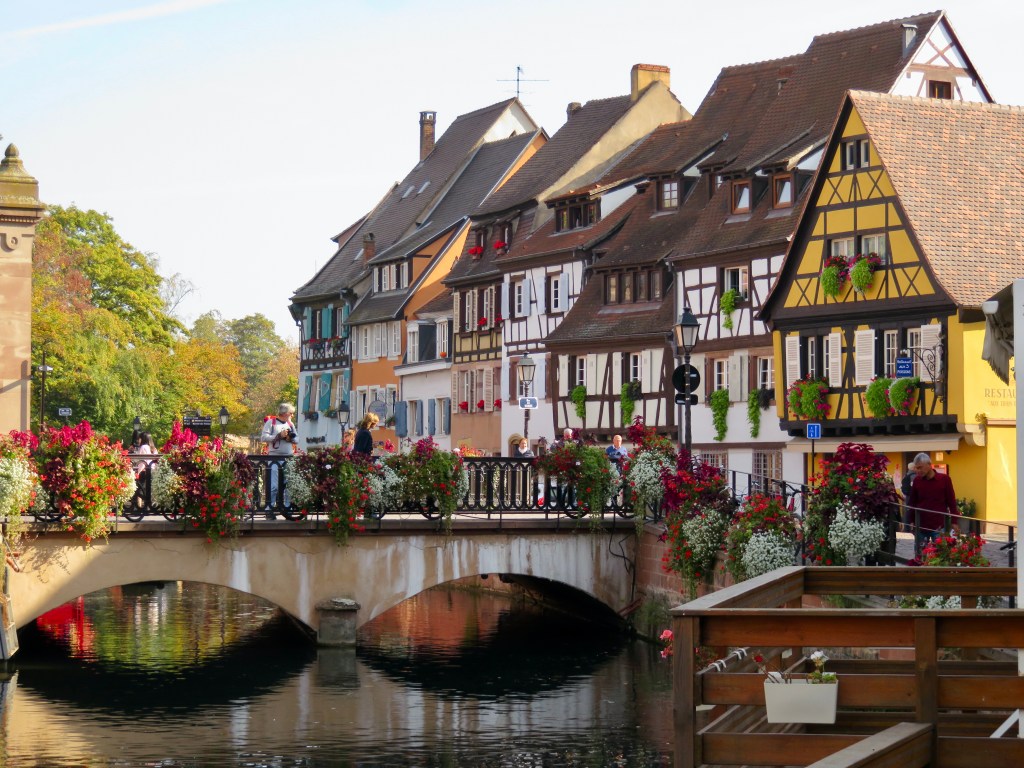
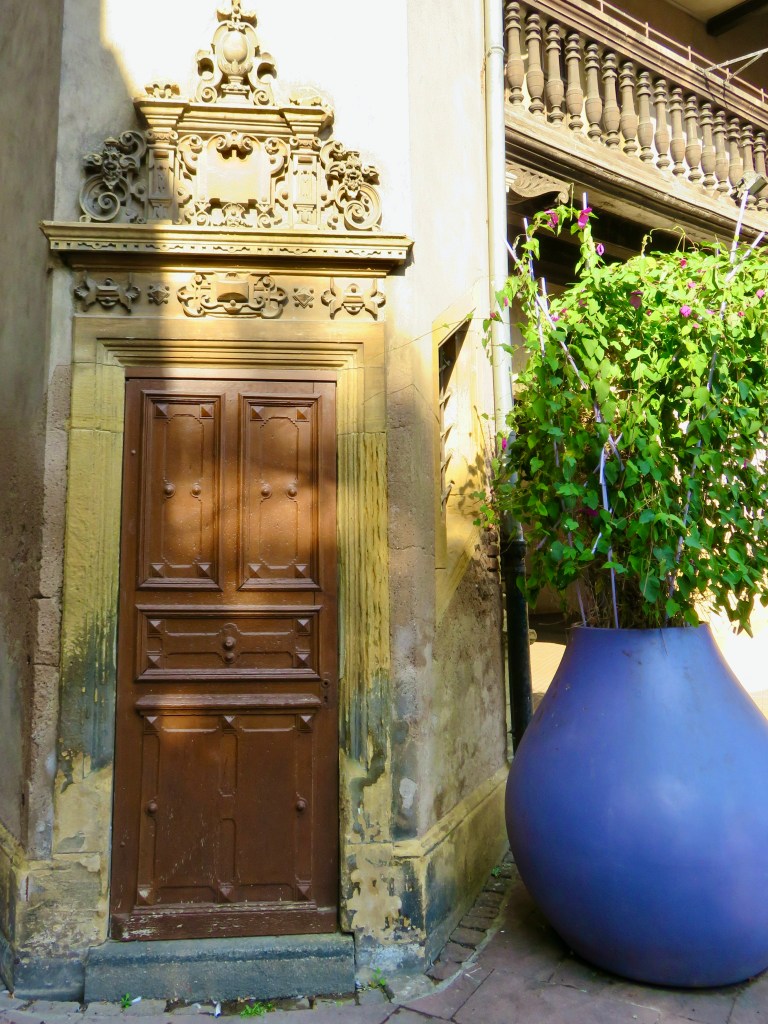
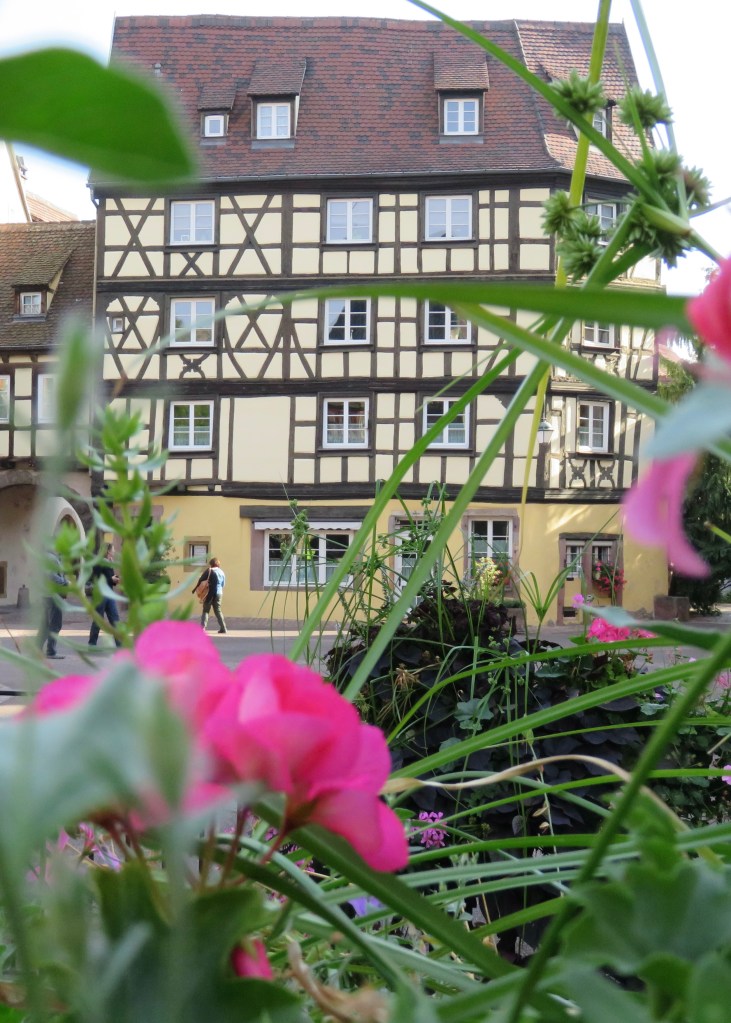
Europeans are experts at preservation and restoration, so there are impressive examples of Medieval villages all over the continent. However, few can equal the Alsatian crème de la crème Colmar, France. Picturesque, quaint, enchanting … all storybook adjectives apply.
The city escaped the ravages of WWII and its architectural heritage has been closely guarded, so it’s a textbook of buildings from the Middle Ages through the Renaissance. Canals lined with rainbow-colored half-timber houses, and overflowing flower boxes provide a dose of romance that’s hard to forget. Naturally, you won’t be the first traveler to discover its appeal, so wear your tolerance hat and enjoy.
DALKEY, IRELAND
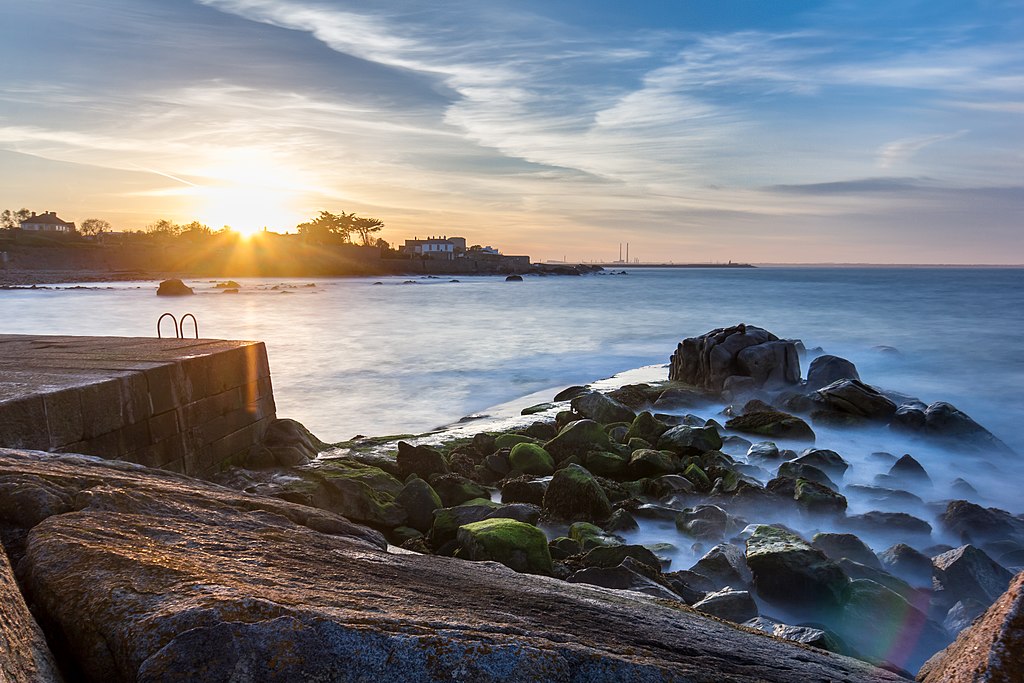
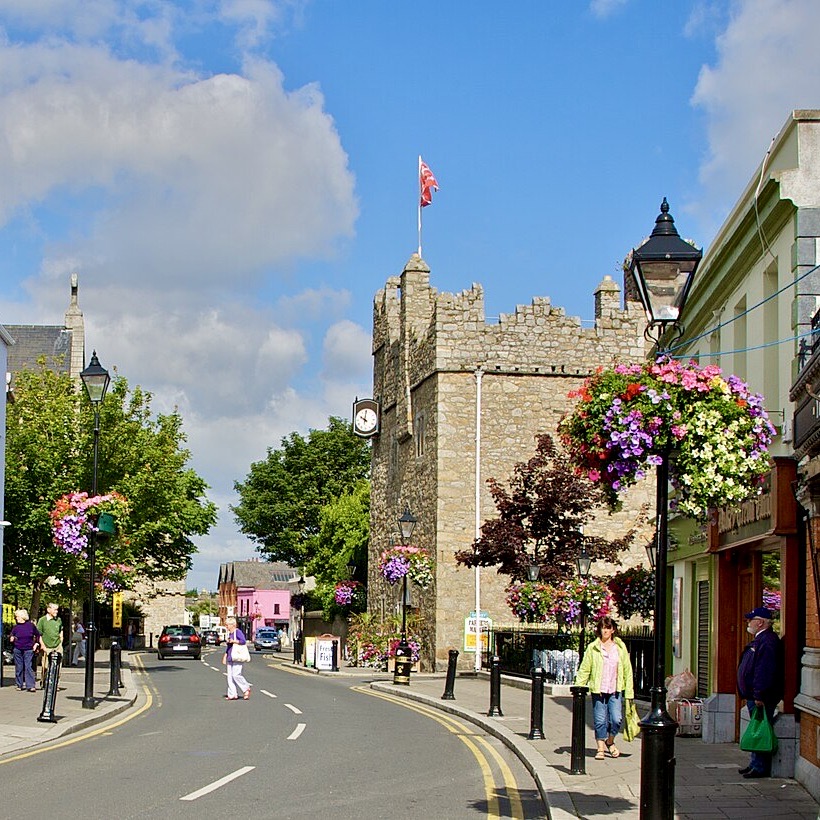
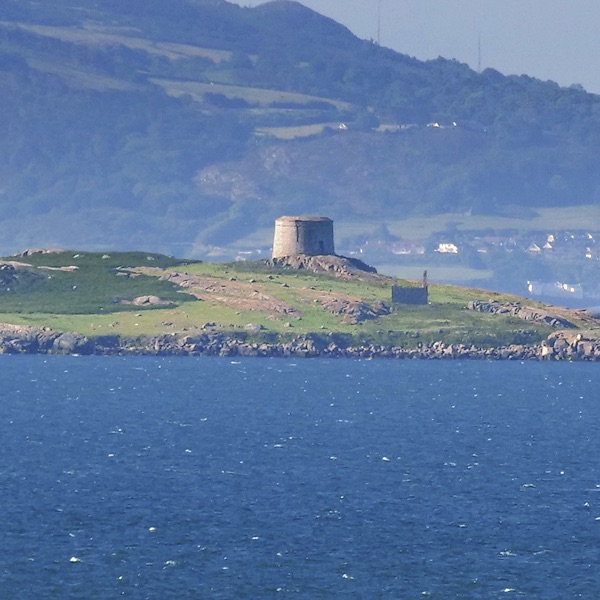
We wanted to spend some time on the coast of Ireland, so we headed out for a long weekend in Dun Laoghaire (inexplicably pronounced Dun-Leery), one of Dublin’s east coast burbs. While waiting out one of many Irish downpours we read about the tiny, affluent, star-studded village of Dalkey, just down the beach. We don’t normally go for this sort of thing, and we didn’t really expect to see any celebrities, but the thought of having a pint in Bono’s local was too good to pass up. As luck would have it, the VIPs skipped the pub, but the consolation prize was a seaside walk up the coast road for a world-class vista over the Bay of Dublin and Dalkey Island in the distance.
BASEL, SWITZERLAND
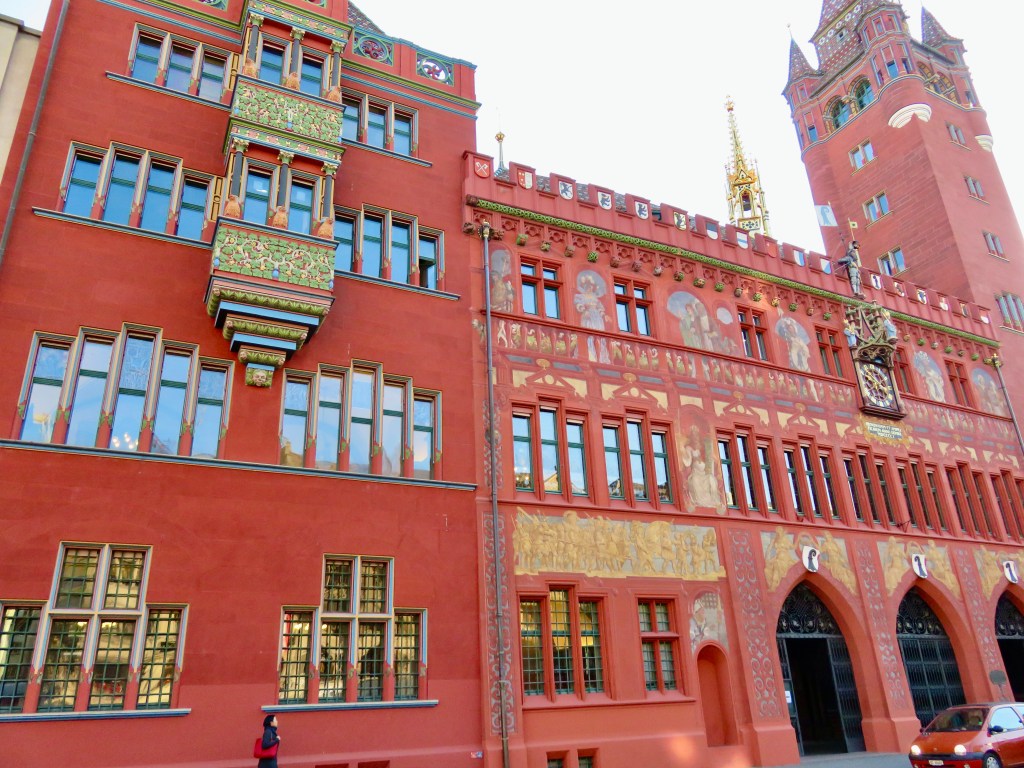
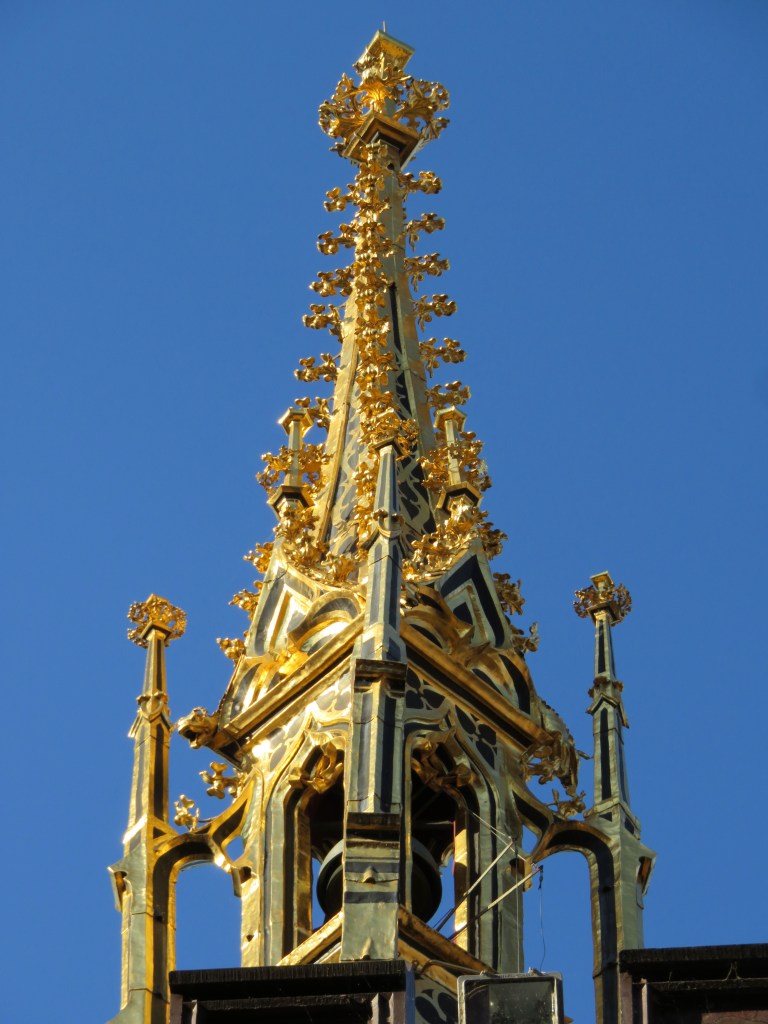
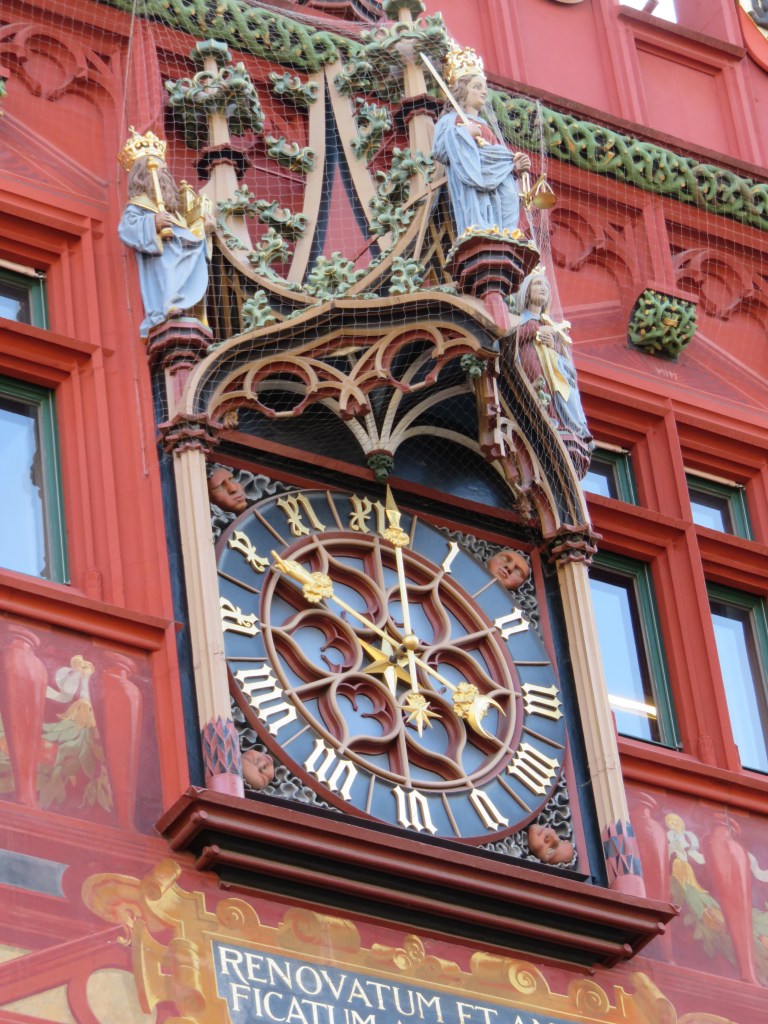
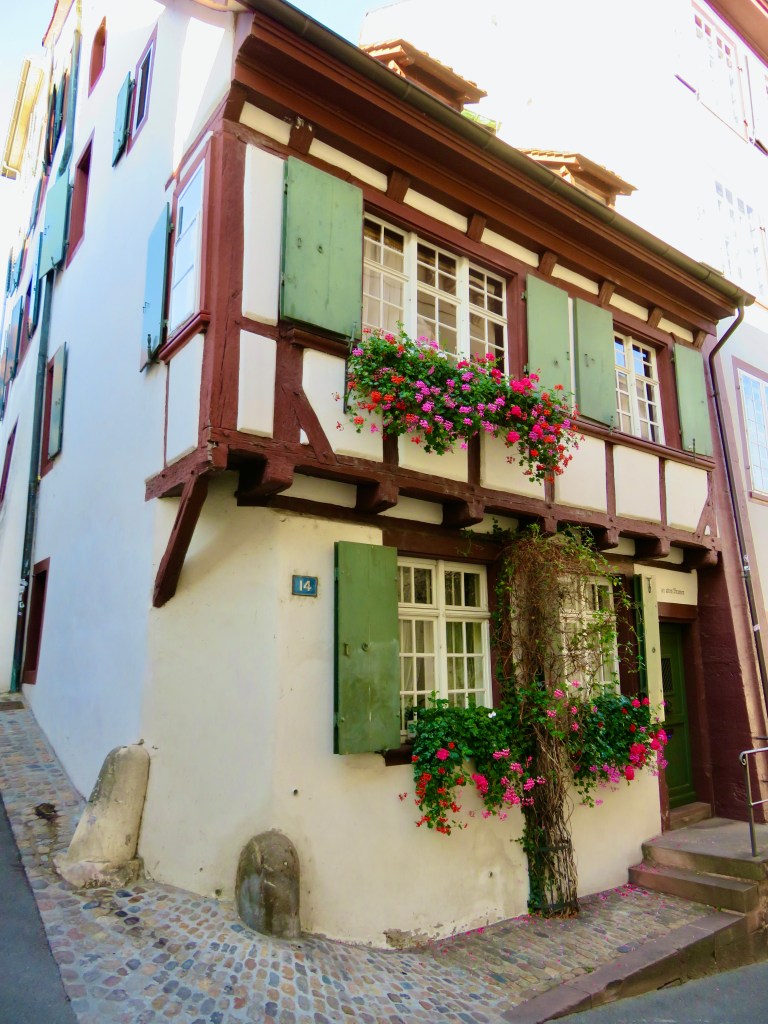
For centuries Basel has been a crossroads for Switzerland, France, and Germany, so it has the rich history you’d expect as well as the normal museums and other big-city attractions. But as always, we seek out the historic parts of town to get a feel for what the city looked like in its earliest days. Basel is a big, sprawling place, but it only a takes a short walk from the bustling train station to discover the raucously red, fresco-covered Rathaus on the old market square, and the monumental red-brick cathedral with its tranquil courtyard overlooking the Rhine. For many travelers Basel is a transport hub, so if you transit the area, jump off the train for a walk around, or spend the night.
BRUGES, BELGIUM
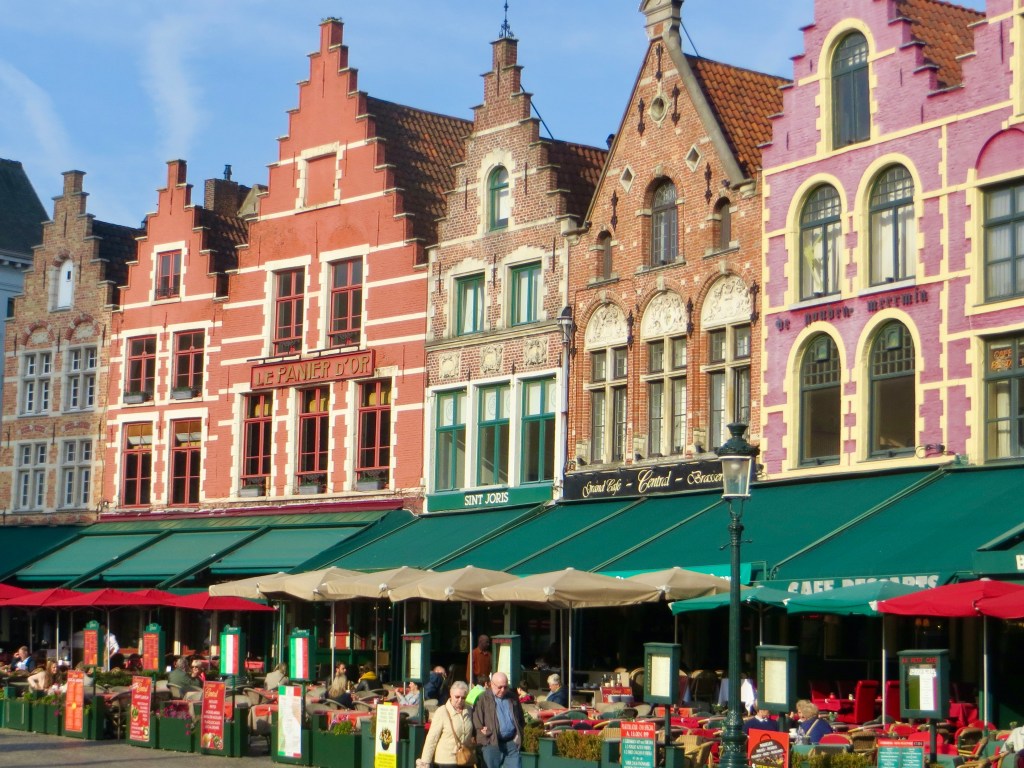
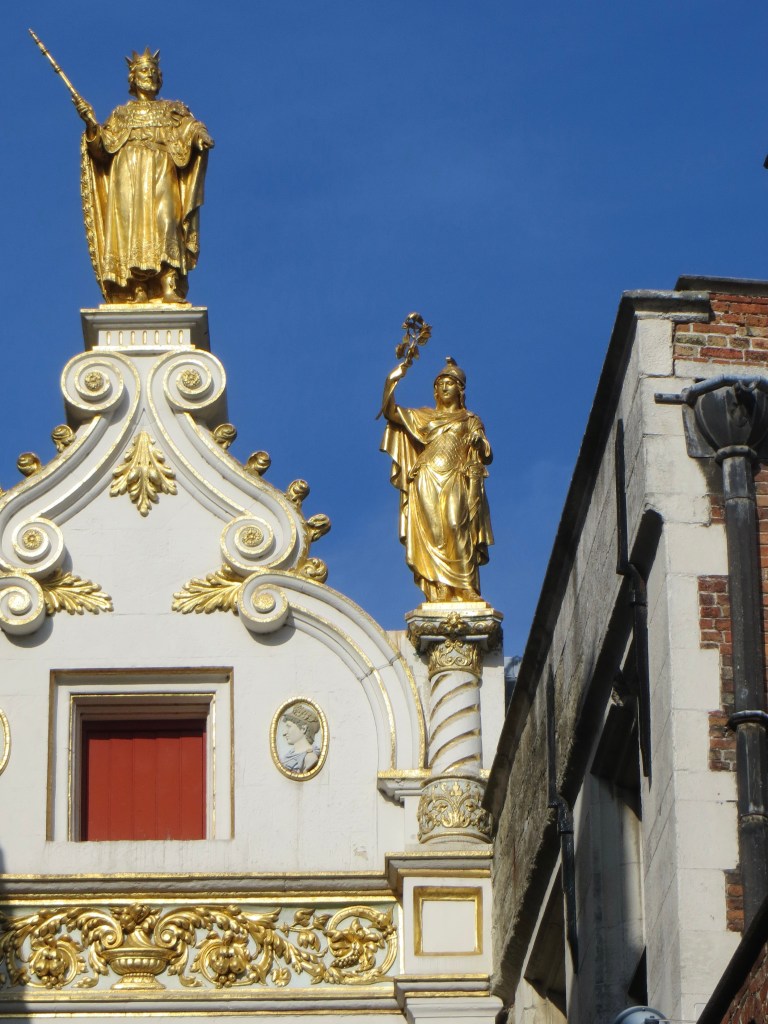
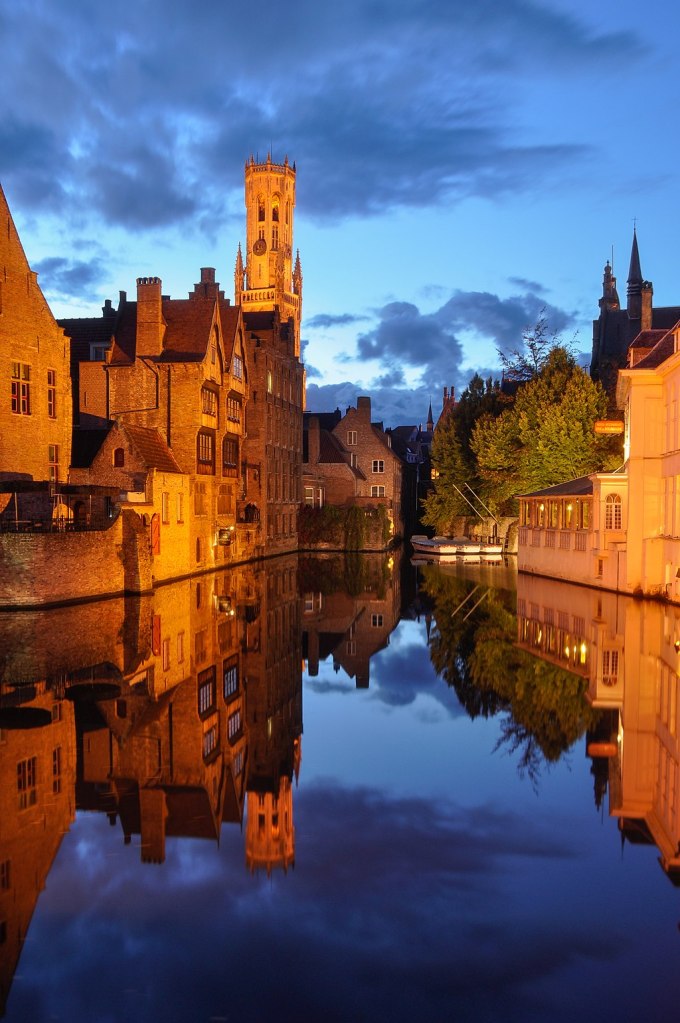
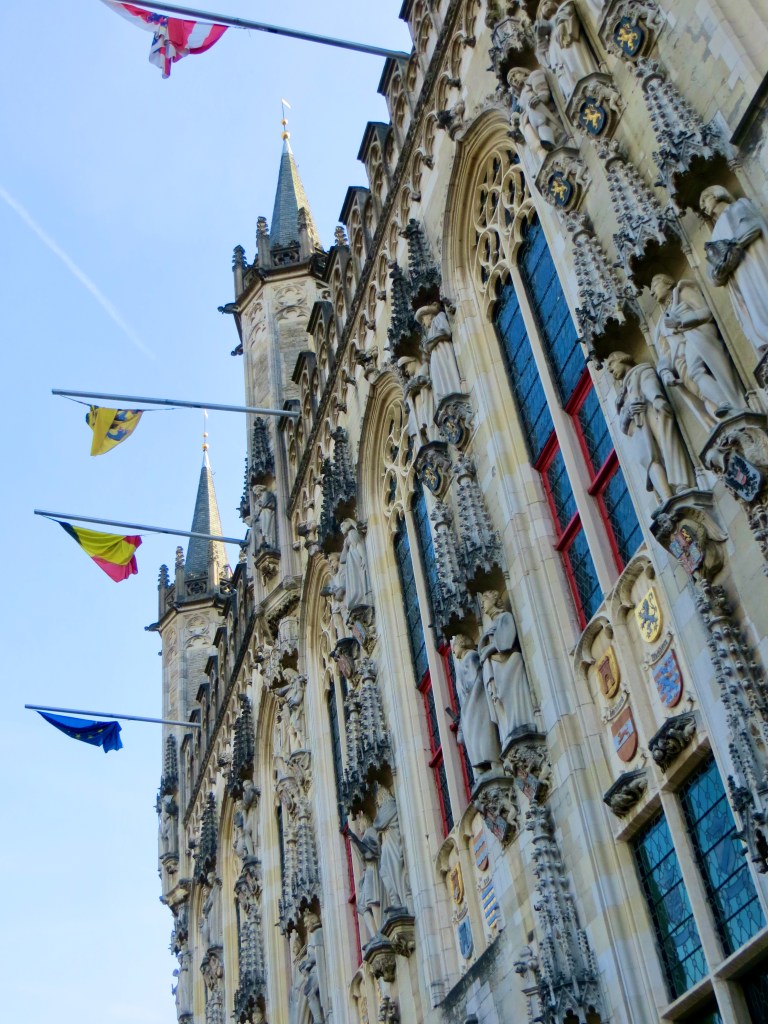
Most tourist hot spots are popular for good reason, and Bruges is one of them. Forget what you’ve read about it being overrun with tourists and “not being the same.” We fell in love with Bruges years ago, and no, it isn’t the same … but what place is? Don’t fall for the anti-tourist hype and travelers’ snobbery. Get a hotel in the center of the historic area, take an early morning or late evening walk in any direction, and be enthralled. Its jumble of charming Medieval streets, swan-crowded canals, and Gothic architecture are well worth the bit of planning it takes to beat the crowds. Bruges is a very special place and you’ll be sad to miss it.
LEWES, UK
On a short stopover in the UK we booked a hotel at Gatwick Airport instead of basing ourselves in central London. Gatwick has good train connections to Southern England, and you might be surprised at how many worthwhile destinations are close by.
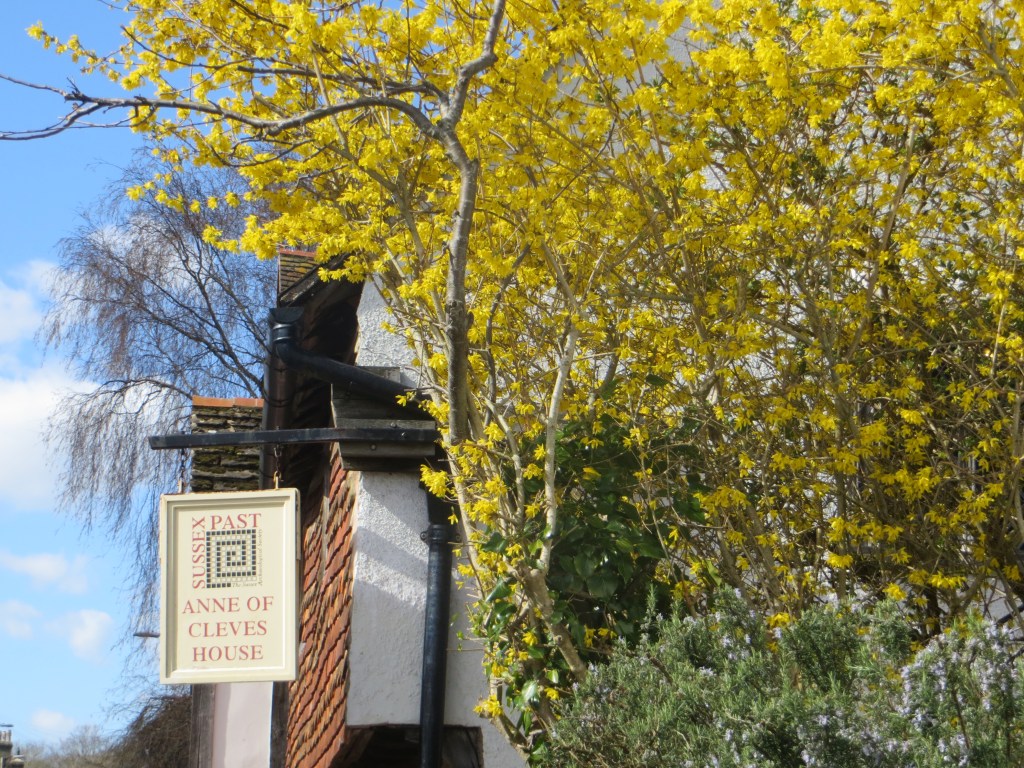
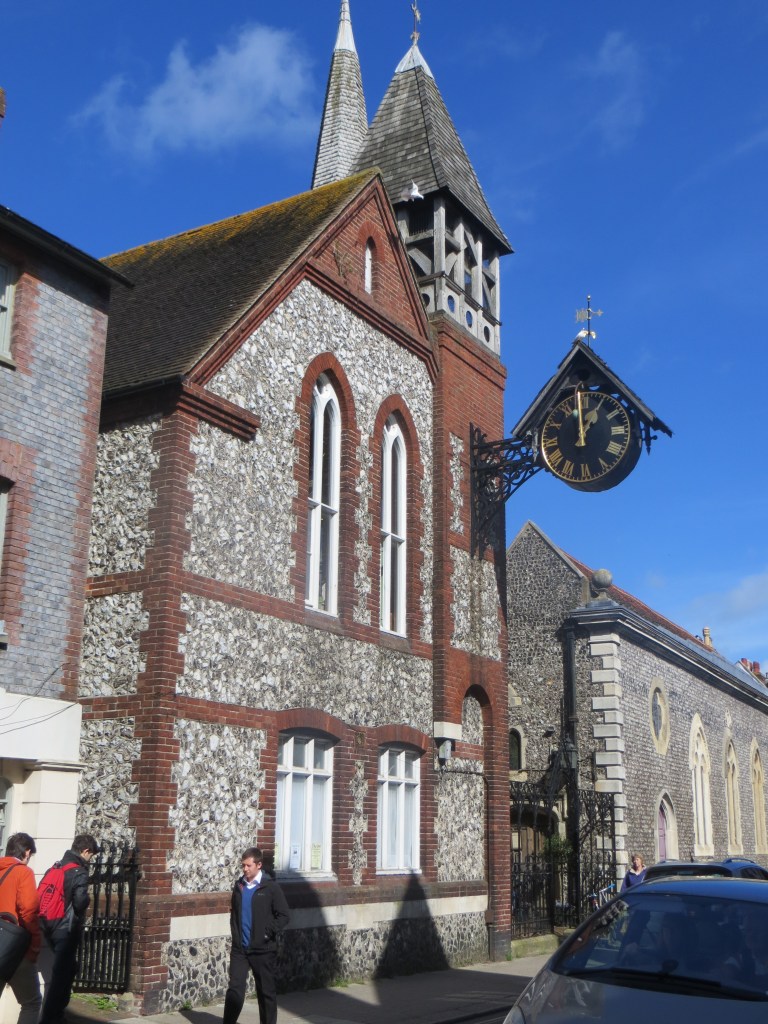
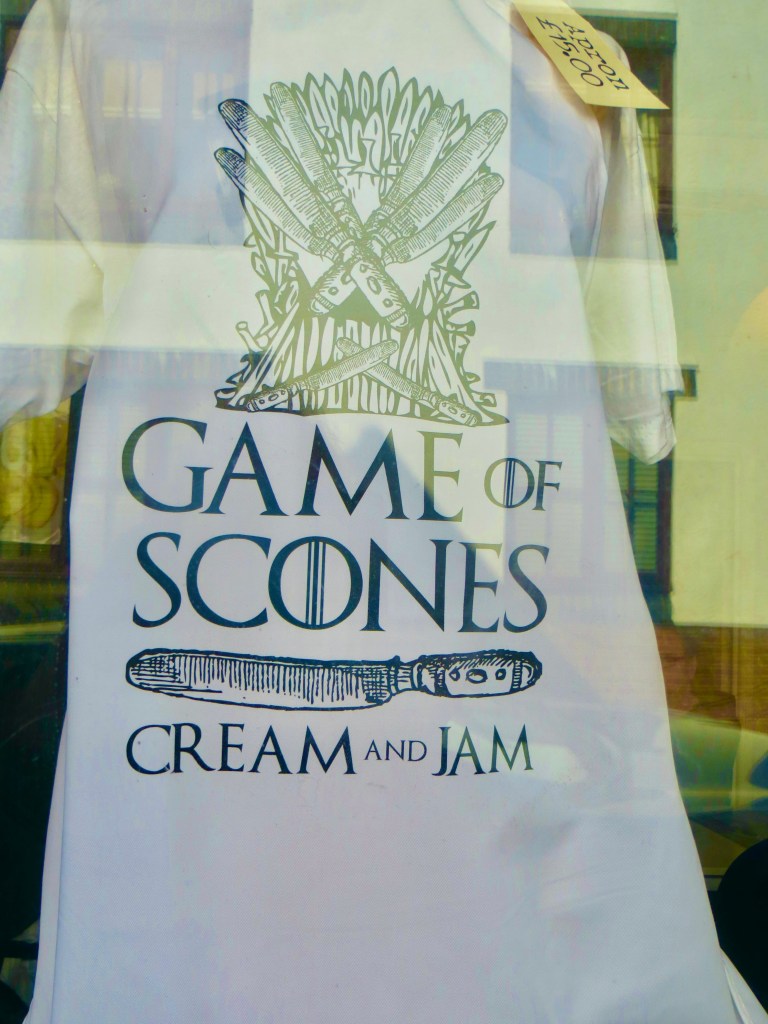
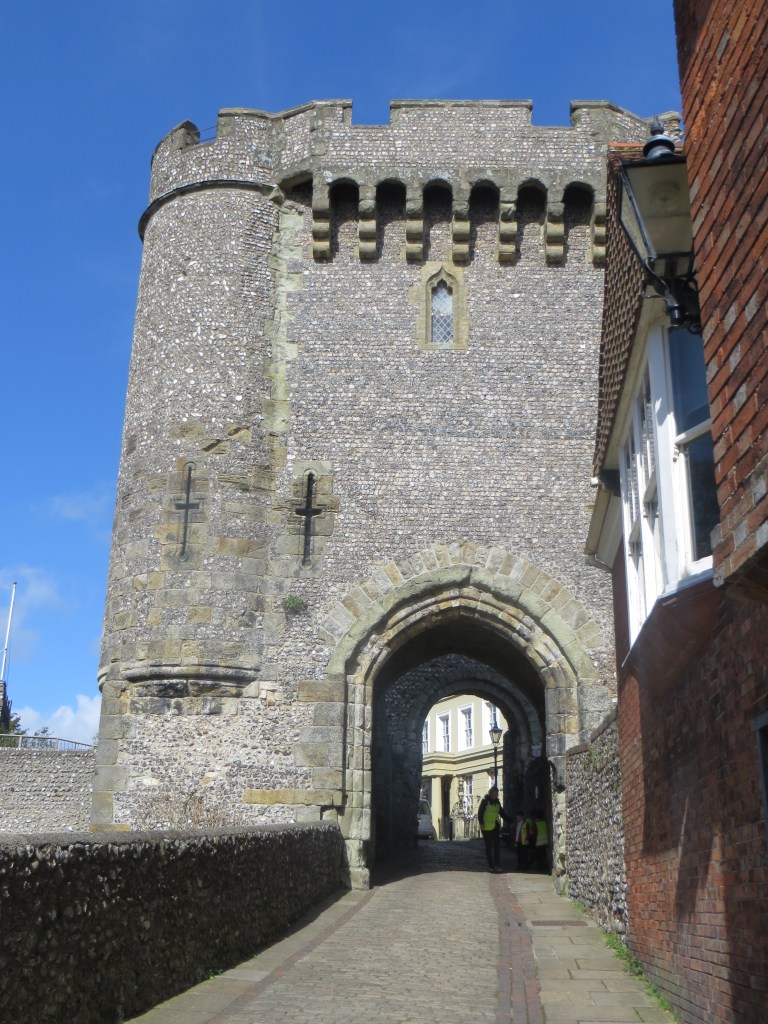
One of these charming villages is Lewes (Loo-is). In addition to its classic, ridge-top high street you’ll find an 11th-Century castle and the Anne of Cleves House. The relatively unknown Anne, who was Queen of England for six whole months, had a Hollywood celebrity-style marriage long before it was fashionable. This half-timbered house was part of the divorce settlement from King Henry VIII, and today it’s a small, low-key museum. The creaky, 600 year-old house gives you a fascinating look at village life at the time, and proof that a good lawyer pays dividends. Combine this museum with a pub lunch or cup of tea and scone on the high street, and you have the perfect Sussex day trip.
VAXHOLM, SWEDEN
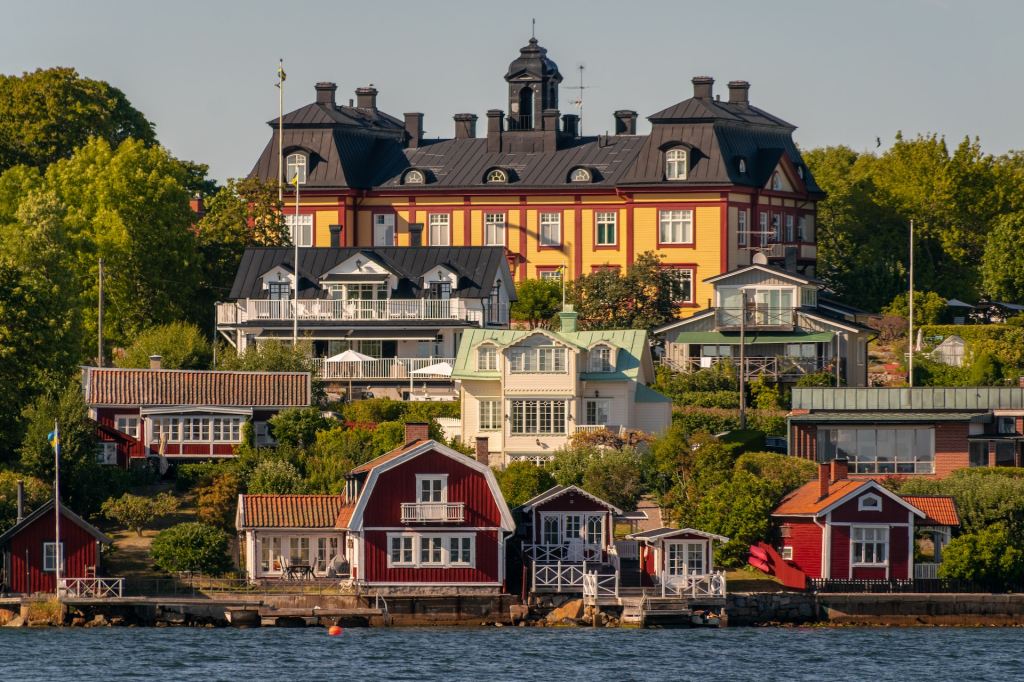
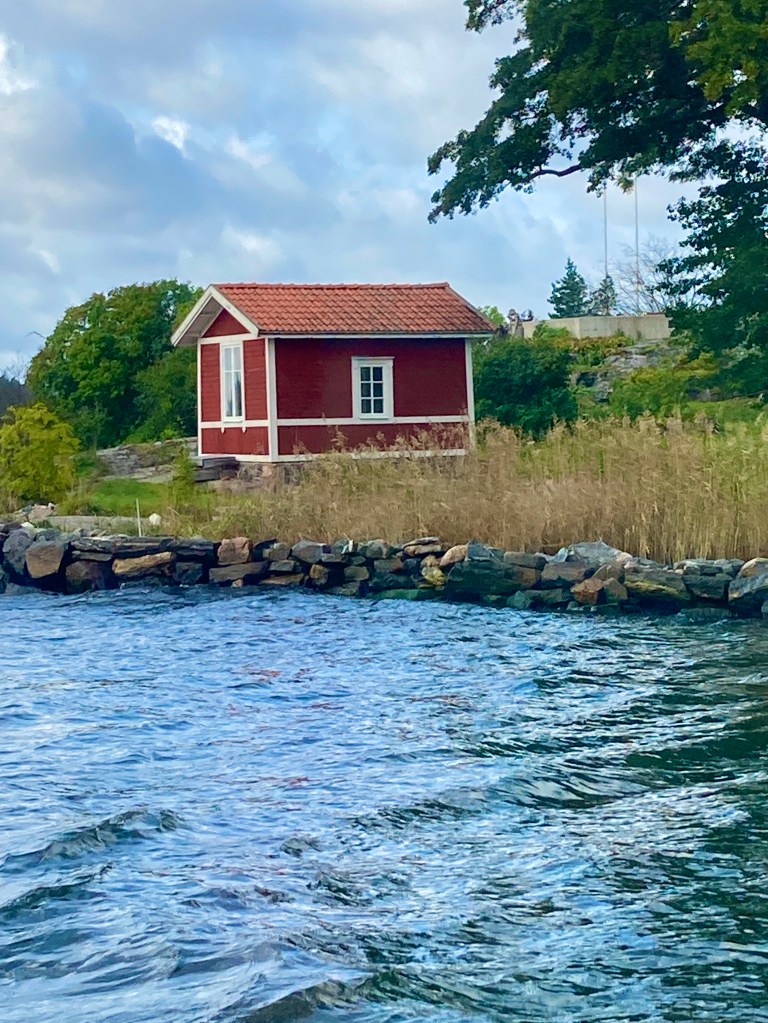
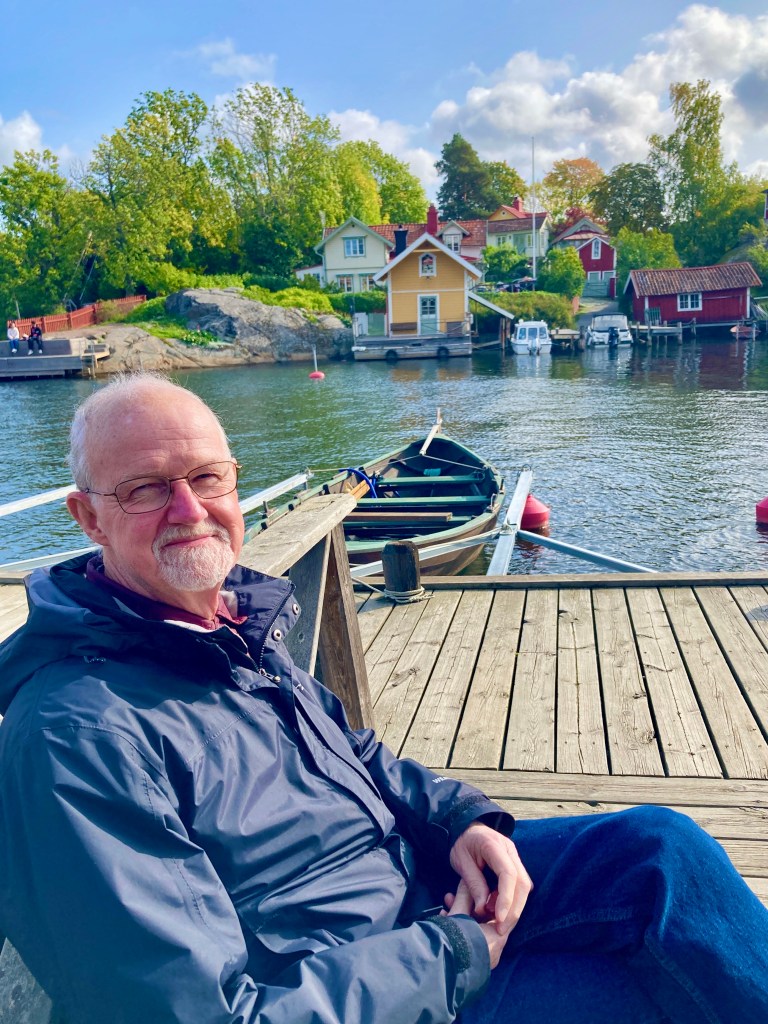
Thirty thousand islands in the Stockholm archipelago? This may seem like an impossible number, but the one-hour ferry ride from central Stockholm to the idyllic Swedish village of Vaxholm may convince you it just might be possible. Also, this itinerary scores you a tourist twofer: an entertaining and scenic ferry ride through a glacier-carved valley, as well as a visit to the quintessential Swedish island village.
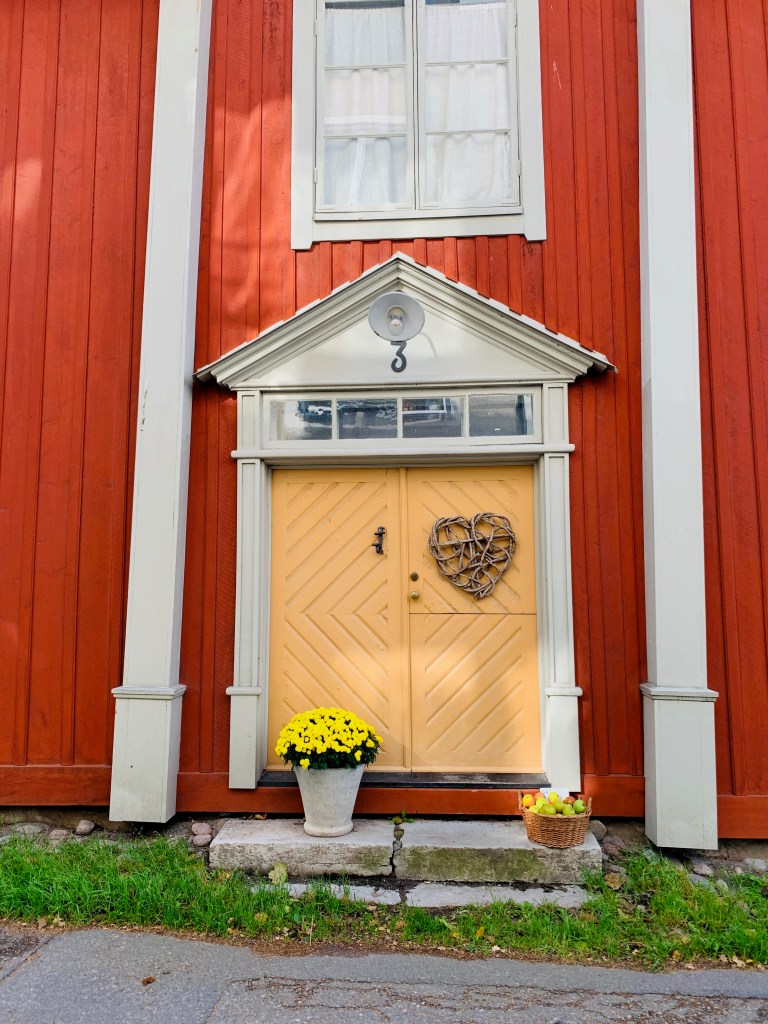
Apparently there’s a historic fortress on Vaxholm Island, but we were happy just wandering the quiet lanes of the village, lusting after the quaint cottages, and peering over hedges into secluded and inviting gardens. A stop at a hamlet coffee shop for fika completed the perfect Swedish autumn afternoon experience. Timing the ferry takes a bit of advance planning, but if you visit Stockholm it’s an experience you don’t want to miss.
* * *
For some, these nine cities may represent alternatives to each country’s capital, and for others they may be interesting day trips. But wherever they fit in your plans, each is well worth a stopover.
Happy Trails,
James & Terri
Last Updated February 14, 2026
Photo Credits: 14. Ben Bender 24. John Fahy 25. David Dixon 30. Arcalino 38. Tom Podmore

 GALLIVANCE
Some wonderful lesser-known places. We too like to explore the hidden gems. A reminder that I must check out Lewes. Many call her poor Anne of Cleves but she did the best out of all of them!
Darlene, if you’re in this part of England, Lewes is a good option for a low-key stop, and Anne of Cleves House is the icing on the cake. Anne, like many royal daughters of the time, was a diplomatic bargaining chip to win military favor. Apparently, most of what we know about her is from the annulment documents written by Henry’s court, so most of it is probably untrue. But despite this, as you say, she seemed to come out okay in the end. ~James
Excellent suggestions, James and Terri. Colmar jumps out at me. I do like chocolate box pretty and always regret that I haven’t made it to Strasbourg yet, either. and Sighisoara too. Happy travelling!
Jo, we based ourselves in Strasbourg and roamed around Alsace-Lorraine for a week or so. With all the countries jammed into such a small area, it’s a real mashup of cultural influences. And Colmar, even with the crowds is a delight to see. I hope you can make it. ~James
I have been to Bruges, Colmar and Basle and passed through Dalkey on a coach trip. I love the small towns as well.
Anne, I suspect that many seasoned travelers get to the point where small towns have more appeal. We don’t necessarily avoid the big cities, but we’re much more likely to spend 2-3 days to hit the highlights, and then move to the smaller towns to settle in. All the best for a fun, exciting 2024. ~James
A couple weeks ago know rented a boat (with two other couples to share the joy, and the work at the frequent locks 🙃) and traveled along the river in both England and France, stopping almost exclusively at villages and small towns and discovering these hidden gems. They loved it. Their photos are magnificent, but still don’t measure up to what you were able to capture. Wow! Thank you for sharing and for the many new ideas.
That sounds wonderful. We’ve always wanted to rent one of those narrow boats and do a canal trip like this one. However, we rented a good size motor boat for a river cruise once, and our total lack of experience made it more stressful than fun. And I’m sure these narrow boats take some maneuvering skill that’s not in my tool box. ~James
I hear you, it does sound a wee bit intimidating and like a lot of physical work (with the locks). They started with zero experience, and loved it so much they went on several other such trips after that. They also said that whatever went wrong (they had a couple of “incidents“ 🤓), the company they rented from shows up tout de suite and fixes/replaces whatever went wrong. But I get what you’re saying: even before Covid, it wasn’t one of the trips we were planning 🙃 I was reminded of that because they almost exclusively spent time in small places.
A wonderful list of great little cities. Happy to see Brugge on it. But surprised you didn’t select a photo of one of its pretty canals for your photo gallery. 🙂 Happy New year, you two. May it bring many more adventures and out-of-the box blog posts.
Liesbet, Brugge is one of our favorites, and we’ve visited a few times. Also, outside the small town list, on the last visit we spent and few days in Antwerp and were impressed. For some reason it doesn’t make it on to many tourist lists, but we thought it had a good feel and had lots to offer. Happy 2024 to you both and Happy Trails. ~James
Hi Liesbet, great suggestion about showing a Brugge canal photo. I just added one. 🙂 Thanks! ~Terri
🙂
What a great list! We were in Sighisoara this past autumn, and agree it is a great Medieval town! Maggie
Maggie, on our trip to Romania we did the hilltown-triple: Brasov, Sighisoara, and Sibui. We took the train/bus throughout, which was an interesting experience with local Romanians – not a tourist in sight. The tourist industry in Romania isn’t as well developed as other places in Eastern Europe, but it was certainly a fun trip for us. ~James
Us too, we really loved Romania 🙂
Thanks for the suggestions. We’re long overdue to see more of Europe.
Peggy, for an intrepid traveler like you there may be a few good ideas here. If you haven’t been to Romania, it has lots to offer and certainly has fewer tourists. ~James
Romania is a gem. We were there in 2011. Time for a repeat.
A lovely selection of suggestions – and your photos are beautiful.
Thanks Hannah. Interestingly, for years we traveled with a travel zoom camera, which we loved. But recently, in our efforts to seriously downsize and simplify our travel gear, we’ve been exclusively using an iPhone for photos. I miss some of the versatility of the camera, but I don’t miss the weight, and I continue to be amazed how well the iPhone works. The photos on your blog are excellent. What gear do you use? James
I use a Samsung phone and that’s it, no gear 😊 I agree the capability of phones today is so impressive, and I would just lose or damage a big camera!
Hoorn definitely stands out for me due to its historical connection with Indonesia. It would be interesting to see what the VOC’s big profits had done to this village.
Bama, you’d expect the HQ town of the VOC would be packed with huge mansions, and while this Hoorn had it’s share of 17th Century houses, there weren’t as many as I’d expected. I suspect that the rich execs built their mansions and lived in Amsterdam. However, the museum collection was outstanding. ~James
This list is so inspiring. Many places appeal to me, but Colmar really jumps out as a place I’d like to see.
Wonderful photos.
Alison
Alison, Colmar really is as pretty and scenic as our photos. There are lots of towns in Europe with collections of half-timber houses, but it’s amazing that a small place like Colmar has been able to not only restore such a large number of these architectural jewels, but to maintain them over the years. Don’t miss it when you get to this part of the world. ~James
They look like good recommendations, James; I can vouch for Dalkey and Bruges. For peace of mind, Laoghaire is an old Gaelic name Anglicised as Leary. Dun Leary was the name until the building of the harbour and port in c.1830 and was renamed Kingstown for King George of England. After independence the town was renamed in the Gaelic form, but pronounced in the Anglicised manner, the population being English speaking. Clear?
Shane, thanks for clearing that up. I wonder how many of your compatriots know that cool story? I have a passing interest in languages and how they developed, but it’s a complex topic I’ll leave to the linguists. Also, as an English speaker I’m not the least bit critical of these pronunciation eccentricities when I think words like “raise and raze.” Who’s idea was that. ~James
Thanks James. I covered that issue in one of my posts on South Dublin’s Rocky Shore. As you know there are differences in pronunciation between American and English English, and Irish or Hiberno English has its own eccentricities too. Viva la difference as they say.
Such a lovely post with gorgeous photos and suggestions of interesting places to visit. Brian and I prefer to visit the small towns, rather than the large cities. Particularly when we travel with our motorhome. We have been to some of the places in this list, but you have inspired us to visit the others. Like Lewes, for example is so near us, but we are yet to visit.
Happy 2024!!
Sent from my iPhone
Gilda, I can believe that taking your motorhome into a bigger city is best avoided. Lewes is a very low-key place but we really enjoyed the Anne of Cleves house. (Anne has an interesting history.) Also, it didn’t make the post, but on this same Gatwick stopover we visited Fishbourne Roman Palace near Chicester. If you haven”t been, it’s an amazing find and very interesting. All the best to you and Brian for a delightful 2024. ~James
We did bike from German to Basel via their bike paths. Unfortunately we didn’t have time to find to historic centre. We train back. (to Karlsruhle.)
There was a point we stood and could see within a few metres: Germany, France and Switzerland.
I love these geographic milestones Jean. In the Four Corners area of the SW US, there’s a spot where you can stand on 4 different states. You may have been there. I’ve never cycled around Basel before, but Europeans are so much more bike-friendly, I’m sure it was wonderful. ~James
Wow, I can’t think of anyone I would rather take traveling advice from than you and Teri, James. Next time I head for Europe. I’ll keep them all in mind! Peggy and my major trip this year is a three month trip up the West Coast from Big Sur to Olympic National Park. But that does leave nine months… 🙂
Curt, I envy your trip to the Olympic Peninsula. I love that area and haven’t been in years. The riot of greenery in the rain forest is fabulous, and so unique. And 3 months should give you and Peggy lots of time to soak it all in. Have a great trip. ~James
We will James. We are returning to many of our favorite areas up and down the coast. I forget, didn’t you live on the Oregon Coast for a while?
Good memory Curt. We lived in Eugene for a while and out on the coast in Newport. This is when we did all our exploring, and we loved our time living there. It’s hard to explain to people back east how different that part of the world is to the rest of the US. Very nice. ~James
I had cousins I visited who lived in Newport, James. That was back in the 50s. 🙂 Our daughter went to college in Eugene. And my dad ran an old hotel for several years that my brother owned near Yachats. And yes, it’s a very different world from the East Coast. –Curt
A great guide to lesser known places!
Thanks for the comment Elise and for dropping by the blog. More and more we find ourselves seeking these smaller, quieter cities to visit. Of course, it’s depends on one’s preferences, but they work for us. ~James